
Natural Resources News
Natural Resources Police Attending National Night Out Community Outreach Events in 19 Maryland Counties

NRP officers join forces with the community – and The Oriole Bird – at a 2024 National Night Out event in White Marsh. Maryland DNR photo.
Maryland Natural Resources Police officers will visit communities throughout Maryland on Tuesday, Aug. 5 in support of National Night Out, an annual community-building campaign promoting partnerships between the police and the neighborhoods they serve.
The National Night Out campaign was established in 1984 and has grown to include more than a million community members in all 50 states. Maryland’s community events include block parties, festivals, parades, cookouts, and public safety demonstrations. Read more…
Chasing a Slippery Predator: Eight Places to Target Maryland’s Chesapeake Channa
Invasive Chesapeake Channa can be found in most of the Chesapeake’s tributaries

The toothy, slimy Chesapeake Channa isn’t native to our waters, but many Maryland anglers have a sense of pride in fishing for them. Maryland DNR photo.
The Chesapeake Channa, or snakehead, has developed a dedicated following in the sportfishing community–even though they’ve been an unwelcome addition to Maryland waterways.
These invasive predators known primarily as snakeheads were coined Chesapeake Channa by the Maryland General Assembly in 2024.
Whatever you call this fish, Maryland Department of Natural Resources (DNR) fisheries biologists and avid anglers have seen populations of Channa in Maryland grow since their arrival in 2002. They have spread rapidly through the Potomac River watershed and established a strong presence in nearly every tributary of the Chesapeake Bay. Though they are considered a freshwater fish, Chesapeake Channa can tolerate moderate salinity and have been observed in the saltiest parts of the Chesapeake Bay, where rates range from 10% to 12%. Decreases in salinity from heavy rainfall and flooding increases dispersal of the species, enabling the fish to spread from rivermouths to the Bay’s mainstem, and into nearby rivers. Read more…
Microfishing in Maryland: A Tiny Trend or Growing Hobby?
Survey of Maryland anglers shows interest in microfishing
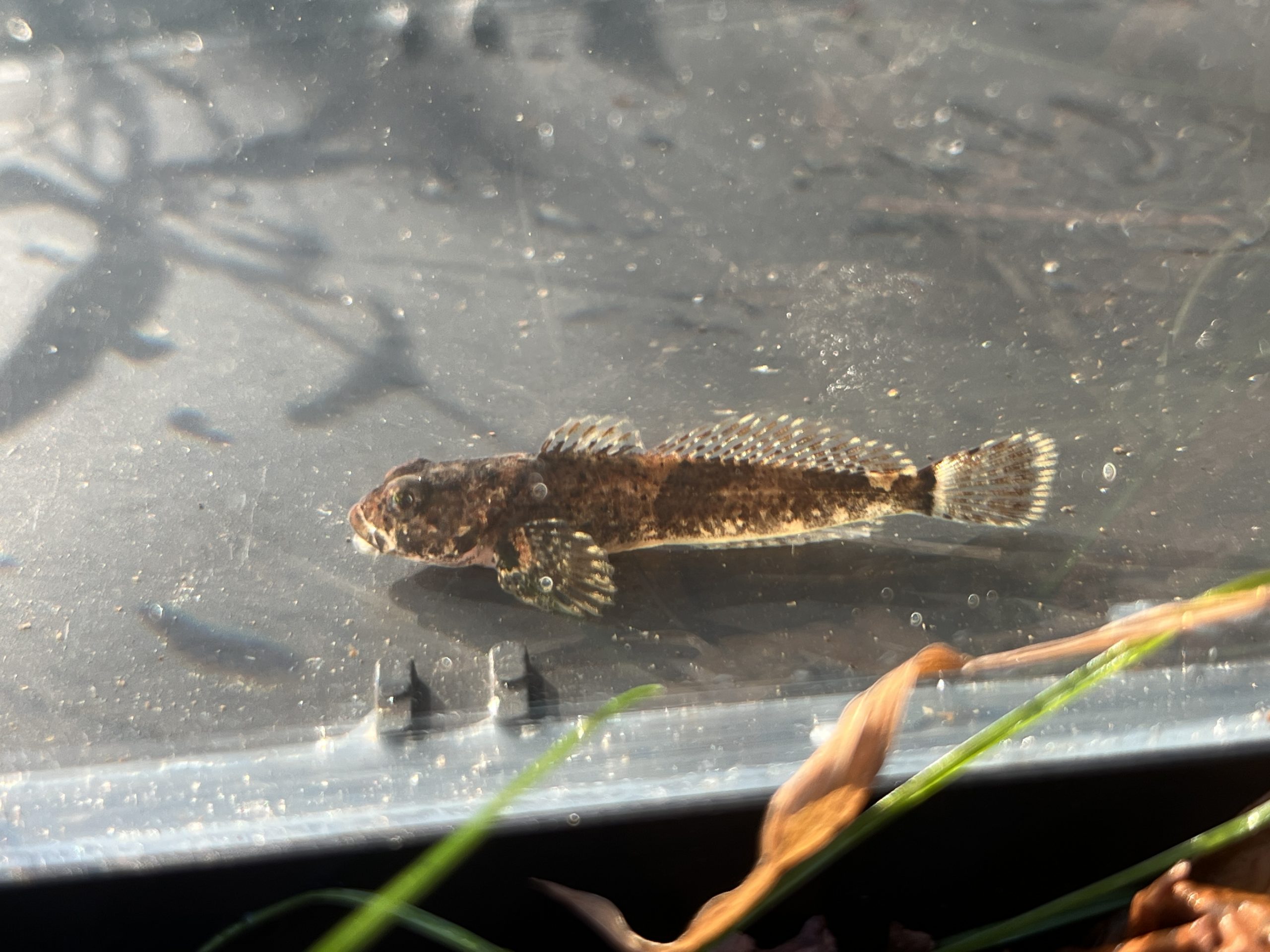
The blue ridge sculpin is among the species Marlylanders can target in microfishing. Photo by Peter Didden, submitted to Maryland Department of Natural Resources’ Angler’s Log.
When most people think about fishing, they envision a proud angler holding a trophy-sized bass for an attention-grabbing photo of a personal best catch. But a type of fishing with the opposite approach has been gaining traction in recent years—microfishing.
As the name implies, anglers use a hook and line to target small-bodied fish that most people would consider minnows or baitfish.
The sport has received considerable media attention and social media buzz. Stories highlight the sport’s specialized tackle, such as tiny hooks, and microfishing’s focus on native fish species diversity. Despite the increase in visibility, very little is known about angler attitudes and knowledge of microfishing in Maryland.
To learn more, the Maryland Department of Natural Resources (DNR) Fishing and Boating Services conducted a survey of Maryland freshwater fishing license holders in May 2025. The goal of the survey was to gather baseline information about this emerging user group in Maryland. Anglers were asked questions about their personal experience with microfishing, such as how often they participate and their primary motivations. The survey also captured perspectives from those who had never microfished. Read more…
Maryland Fishing Report – July 30

Angler Chhaya Muth caught and released a 37.5-inch red drum in the Chesapeake Bay. Photo courtesy of Chhaya Muth
It may be hot out but there is plenty of great fishing to be had throughout Maryland. Be sure to pack some fishing gear or charter a fishing trip and make some lasting family memories.
The 2025 striped bass season will reopen in Maryland’s portion of the Chesapeake Bay this coming Friday, August 1. Once the season begins, anglers are urged to use the best catch-and-release practices since water temperatures in the Bay are in the upper 80s and very stressful for striped bass. Fish should be brought in as quickly as possible and released in the water if they are above or below the required slot size of 19-24 inches. The larger fish most often have a more difficult time with heat stress.
Frederick County Angler Sets New Maryland State Record for False Albacore
New state mark for species set just eight days after 30-year-old record fell

Jack Dorman broke the Maryland state record for false albacore on July 20, 2025. Photo courtesy of Jack Dorman, used with permission by Maryland DNR.
The Maryland Department of Natural Resources has officially recognized Jack Dorman of Mt. Airy as the new state record holder for false albacore (Euthynnus alletteratus) in the Atlantic Division. Dorman’s 26.0-pound catch surpasses the previous record of 23.5 pounds that was just set earlier this month. Read more…
Public Input Sought for Next Chapter of Chesapeake Bay Restoration Work

Photo by Robert Fawcett, submitted to the 2021 Maryland DNR Photo Contest.
On Tuesday, August 5, Maryland will host an open house in Annapolis to provide information for the public about the recently released draft revisions to the Chesapeake Bay Watershed Agreement.
The Agreement is the voluntary plan – signed by Maryland, New York, Delaware, Virginia, Pennsylvania, Washington, D.C., the Chesapeake Bay Commission, and the U.S. Environmental Protection Agency – that details priorities to restore the Chesapeake Bay for the benefit of communities across the region.
Experts from Maryland state agencies will be available to explain the proposed revisions to the Bay Agreement and answer questions that attendees may have. There will also be an opportunity for the public to submit their thoughts on the revisions as part of the public feedback period, which runs until September 1. Read more…
Maryland Fishing Report – July 23

Jake Prior holds up a big Chesapeake Channa he caught recently. Photo courtesy of Jake Prior
Marylanders are out enjoying the outdoors as we find ourselves in the peak of the summer vacation season. Anglers are finding good fishing in the tidal rivers for Chesapeake Channa.
Anglers fishing the Chesapeake Bay and its tributaries are reminded that all fishing and targeting of striped bass is closed from July 16 through July 31. Striped bass fishing resumes Aug. 1 through Dec. 10 with a slot size of 19-24 inches and a limit of one fish per day per angler.
Maryland Waterway Improvement Fund Provides $20 Million in Capital Grants for Public Boating Access, Navigable Waterways and Safety

Oak Creek Landing public “soft launch” boat access in Talbot County was upgraded using a previous Waterway Improvement Fund grant. Maryland Department of Natural Resources photo.
The Maryland Department of Natural Resources will provide $20 million in Waterway Improvement Fund allocations to communities and projects throughout Maryland in Fiscal Year 2026, which begins July 1. The funds will support new and improved public boating access facilities, dredging of navigable public waterways; emergency vessels and equipment for local first responders; and other important infrastructure and initiatives. Read more…
Deadline is Approaching for Maryland DNR 2025 Photo Contest

Photographer Amy Dossett’s photo of a great horned-owl was voted fan favorite in Maryland DNR’s 2023 photo contest.
Photographers and nature enthusiasts have until August 1 to submit their most beautiful images of the state’s flora and fauna to the Maryland Department of Natural Resources 2025 Photo Contest.
As in past years, winning entries will be featured on the next Maryland DNR nature calendar to be published in late fall, and all winners will receive free copies. The contest is judged by season: winter, spring, summer, and fall. First, second, and third place winners are selected for each seasonal category. A grand prize winner is selected from that group. Cash awards are $700 for the grand prize winner, and $100 for each seasonal first place winner. All first place winners receive a one-year Maryland State Park and Trail Passport. Read more…
New Margraff Trail System in Western Maryland Offers Easy, Intermediate, Advanced and Adaptive Options for Hikers and Bikers
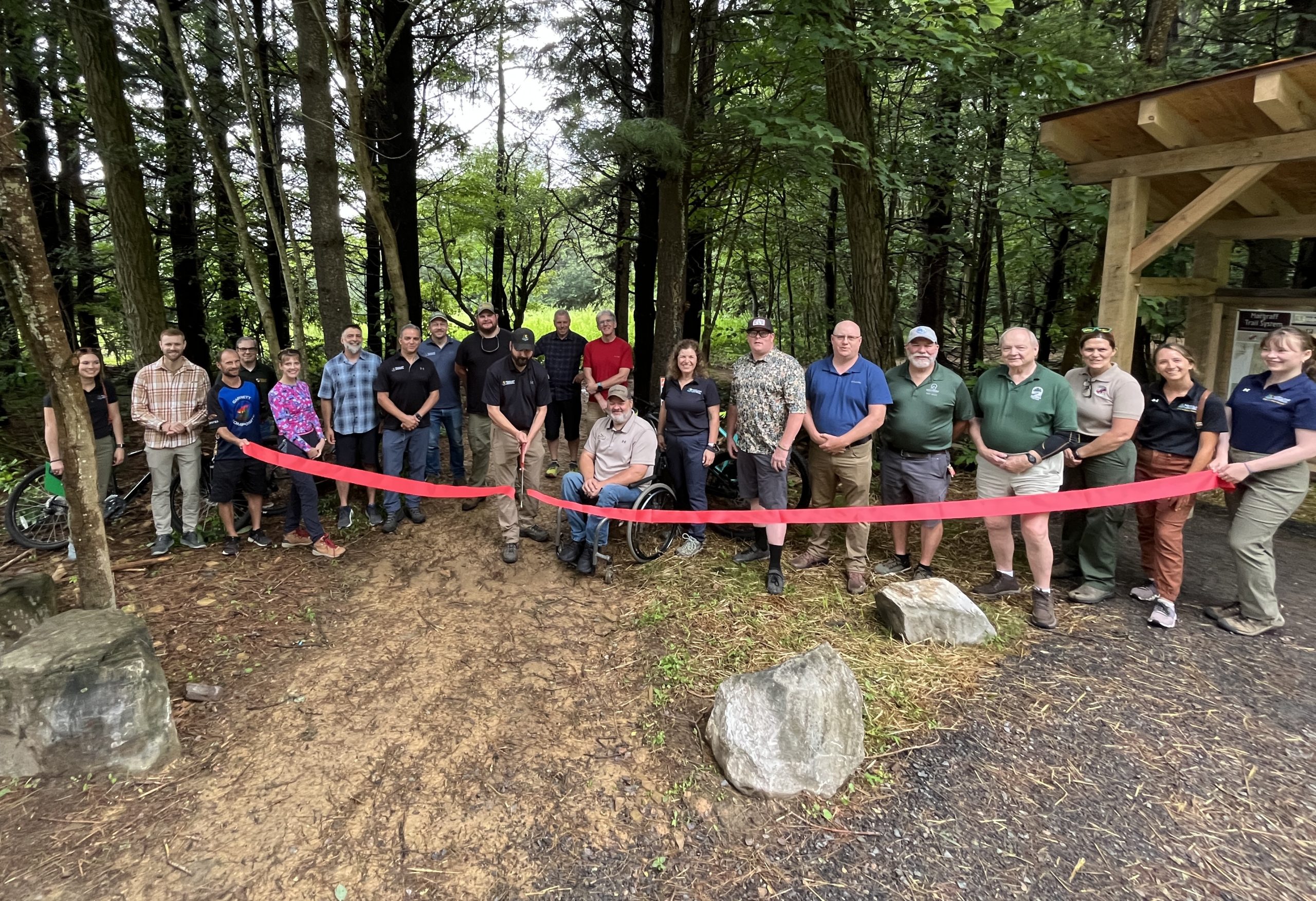
Maryland Department of Natural Resources Sec. Josh Kurtz cut the ribbon on the newly expanded 10-mile trail system in Garrett County on July 18.
Maryland is celebrating the creation of four brand-new mountain bike trails in Savage River State Forest, including the first adaptive mountain bike trail on state forestlands.
Tucked in the mountains of Western Maryland near Accident in Garrett County, the Margraff Plantation Trail System offers six miles of newly-constructed trails – a 1.4-mile beginner trail, a 1.4-mile intermediate trail, a 1.2-mile advanced trail and a 2-mile intermediate-level adaptive trail.
The interconnected trail system gives both riders and hikers the chance to try out varied terrain and progress in skills and challenges, depending on how they feel. Trail users will enjoy traversing through diverse habitats, including pine and deciduous forests, as well as mountain laurel and meadow landscapes.
North Carolina Angler Breaks Maryland’s 30-year-old False Albacore State Record

The new state record false albacore is weighed at Ocean City Fishing Center (left and center); record-holder Timothy K. Shaarda of Clayton, North Carolina, is seen at right holding a different fish. Photos courtesy Timothy Shaarda, collage by Maryland Department of Natural Resources.
The Maryland Department of Natural Resources recognizes Timothy K. Shaarda of Clayton, North Carolina, as a new state record holder for false albacore (Euthynnus alletteratus) in the Atlantic Division. Shaarda’s 23.5-pound catch breaks a record that had stood for 30 years. Read more…
Chesapeake Bay Monitoring Shows Hypoxia Increased in June After Rainy May
Dissolved oxygen conditions show mixed results in May and June 2025
 Data collected by the Maryland Department of Natural Resources and Old Dominion University show an increasing volume of hypoxia—waters with less than 2 mg/l of oxygen—in the Chesapeake Bay mainstem of Maryland and Virginia from early to late June.
No hypoxia was observed in May, marking a later start to low dissolved oxygen conditions than in recent years. This year was one of nine years with no monitored hypoxia in May during the past 41 years.
Hypoxia increased from below average levels in early June to above average in late June following heavy rains in May and hot temperatures during June. Historically, heavy rainfall early in the year can precede greater levels of hypoxia–areas of water with low dissolved oxygen levels–due to rain runoff carrying excess nutrients into the Bay, which can contribute to algal blooms and reduce water clarity.
Late June had the largest historical volume of hypoxia seen within Maryland for the time period of the monitoring program. Both June monitoring cruises showed a greater than average volume of anoxia – waters with less than 0.2 mg/l oxygen – with late June reaching triple the normal average. Read more…
Maryland Fishing Report – July 16

Joseph Pfister was fishing in an upper Chesapeake Bay tidal river when he caught this big Chesapeake Channa, aka northern snakehead. Photo courtesy of Joseph Pfister
We’re in the peak of summer and people across Maryland can be seen traveling the roads for family vacation destinations. For many, fishing and enjoying the outdoors will be part of the fun, and with school out our younger anglers get to indulge in fishing.
Anglers fishing the Chesapeake Bay and its tributaries are reminded that all fishing and targeting of striped bass is closed from July 16 through July 31. Striped bass fishing resumes Aug. 1 through Dec. 10 with a slot size of 19-24 inches and a limit of one fish per day per angler.
Maryland Opens Grants Gateway to Solicit Proposals to Help Fund Programs and Projects Focused on Watershed Restoration, Climate Resilience, Boating Access, and Education
Maryland DNR now accepting grant applications for Fiscal Year 2027

Funds provided through DNR’s Grants Gateway portal helped restore Lake Marion in Anne Arundel County, which now drains more than 113 acres of impervious surface in the Severn River watershed among other benefits. Maryland DNR photo.
The Maryland Department of Natural Resources’ Grants Gateway application is open for local governments and organizations for Fiscal Year 2027, which begins July 1, 2026.
Through this process, DNR connects Maryland communities with funding for projects and programs that improve water quality in local waterways, increase communities’ resilience to storms and climate change, strengthen local economies, develop environmental stewards, and benefit the general boating public. Read more…
Board of Public Works Approves $1.4 Million for Outdoor Recreation and Land Conservation in Prince George’s and Frederick Counties, Southern Maryland, and the Eastern Shore
Funding approved for DNR’s Program Open Space Local, Local Parks and Playgrounds Infrastructure, Community Parks and Playgrounds, and Rural Legacy programs

Located on the northern end of St. Mary’s County, the Huntersville Rural Legacy Area includes 12 miles of Patuxent River. The Patuxent Tidewater Land Trust will acquire an 84-acre easement to protect 2,500 feet of forested stream buffers along tributaries to Little Cat Creek, which flows into the river. Maryland DNR photo.
The Board of Public Works today approved more than $1.4 million in grants to local governments and land trusts from the Maryland Department of Natural Resources. The funding will be used for a new trail, playground equipment, and the conservation of land in Charles, Frederick, Prince George’s, Queen Anne’s, St. Mary’s, and Worcester Counties. Read more…
Maryland’s Summer Closure of Chesapeake Bay Striped Bass Fishing Begins July 16
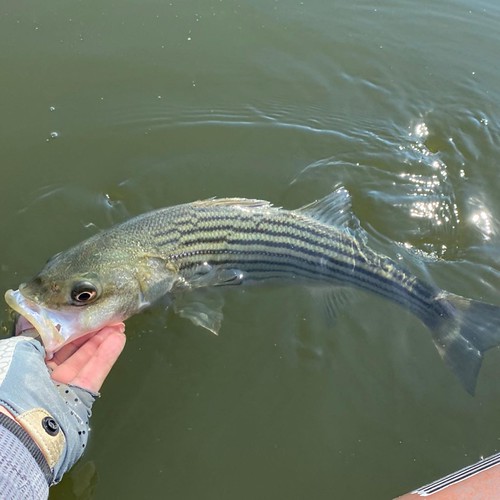
Anglers who accidentally catch a striped bass during the summer closure should release it immediately in the water. Maryland Department of Natural Resources photo by Eric Packard.
The Department of Natural Resources reminds Maryland recreational anglers that targeting striped bass in the Chesapeake Bay and its tidal tributaries is prohibited from July 16 through July 31.
This closure, now in its sixth season, is necessary to protect the species, because when water and air temperatures rise in the hottest part of summer, fish are more vulnerable to dying after being caught and released. Read more…
Maryland Department of Natural Resources Introduces Planning Tool to Enhance Coastal Flood Preparedness around the State
The Maryland Coastal Flood Explorer gives planners and decision makers access to the most current coastal flood data

Flooding in Annapolis in 2023. Photo submitted to Maryland DNR MyCoast app.
Maryland coastal residents can now explore local coastal flooding risks today and into the future. This month, the Maryland Department of Natural Resources released the Maryland Coastal Flood Explorer, a user-friendly and interactive mapper that allows users to visualize predicted high tide flooding, sea-level rise projections, and historic flooding events for all of Maryland’s coastal areas.
Any resident can go to the Flood Explorer, enter an address, and explore various flood risk scenarios around their property as well as within their broader community. Read more…
Hunters Can Now Apply for the 2025 Maryland Black Bear Hunt Lottery

Photo by Nathaniel Peck, submitted to the 2023 Maryland DNR Photo Contest.
Hunters can now enter the lottery selection process for the annual six-day black bear hunt in Western Maryland. The cost to enter the lottery is $15 and applications can be purchased from the Maryland Department of Natural Resources (DNR) through August 31.
The 2025 bear hunting season will be open October 20-25 in all of Allegany, Frederick, Garrett and Washington counties. The bear hunt is an important part of managing Maryland’s expanding bear population, helping reduce conflicts between bears and humans such as collisions with vehicles and property damage.
Hunters who have entered multiple years in a row receive “preference points,” one additional entry for each consecutive year they have applied. Anyone who is not seeking a permit this year but may in the future can purchase a preference point for $15 – they will not be entered in the 2025 lottery, but will not lose their advantage for next year.
New for 2025, hunters may choose to enter a secondary lottery to hunt in Frederick and Washington counties if not drawn in the primary lottery. If a hunter opts into the secondary lottery, their preference points will be applied. The additional hunting opportunity is open to all applicants, but the permit is only valid in Frederick and Washington counties. Read more…
Watershed Education and Stewardship Grants Awarded in Baltimore City, St. Mary’s County

Charles County Public School third grade students participate in outdoor field investigations at Piscataway National Park, in Accokeek, Maryland, programming funded by a previous year’s US EPA Chesapeake Bay Implementation Grant approved through the Maryland Department of Natural Resources Grants Gateway. Maryland DNR photo.
Two Maryland organizations will receive support for education and stewardship programming to enhance environmental education in the state.
Outdoor education and stewardship funding is made possible from the U.S. Environmental Protection Agency’s Chesapeake Bay Implementation Grant. Specific amounts will be contingent upon federal funding availability and approval. Read more…
Nine Impaired Boaters Charged During July 4 Weekend in Maryland
Strengthened ‘Operation Dry Water’ patrols crack down on drunk boaters

Saturation patrols targeting underaged drinking, impaired boating, negligent operation, and more violations take place at Horn Island in Ocean City on July 4, 2025. Maryland DNR photo.
The Maryland Natural Resources Police (NRP) charged nine impaired boaters and investigated nine reportable boating accidents during its annual Operation Dry Water “saturation patrol” campaign, conducted from July 4 to July 6. Statistically this time is the busiest and most dangerous boating holiday. No boating fatalities were recorded on Independence Day weekend.
NRP officers made nine Operating While Under the Influence of Alcohol (OUI) arrests during the agency’s heightened enforcement period from July 4-6. Boaters facing impaired boating charges can be penalized with up to $1,000 in fines and one year of jail time. Targeted patrols throughout the holiday weekend have resulted in 33 impaired boaters removed from Maryland’s waterways during the past five years of Operation Dry Water participation. Read more…
Climate Resilience Projects Throughout Maryland Funded with $1.275 Million

A restoration crew plants a living shoreline at Hurst Creek outside of Cambridge, Maryland to stabilize movement of sandy dredged material beneficially used along 200 linear feet. Maryland DNR photo.
The Maryland Department of Natural Resources announced more than $1.275 million in competitive grants for six climate resilience projects to help communities plan, design and construct solutions to withstand flooding and other weather-related events.
The selected projects will reduce risk for vulnerable communities, incorporate climate change data into existing plans and policies, and develop nature-based or natural solutions to help control flooding.
Funding is provided by the state’s Resiliency Through Restoration Initiative and the National Oceanic and Atmospheric Administration. This is the last year of state funding available through the Resiliency Through Restoration Initiative, a pilot program begun in 2017. In total, the program advanced 36 restoration designs, 20 construction projects, and three adaptive management projects since 2017, bringing assistance to 38 communities in 13 local jurisdictions. Read more…
Maryland Department of Natural Resources Announces Horse Racing to Return at Fair Hill Turf Track
The “Races at Fair Hill” horse racing event to take place Aug. 30 for first time since 2019
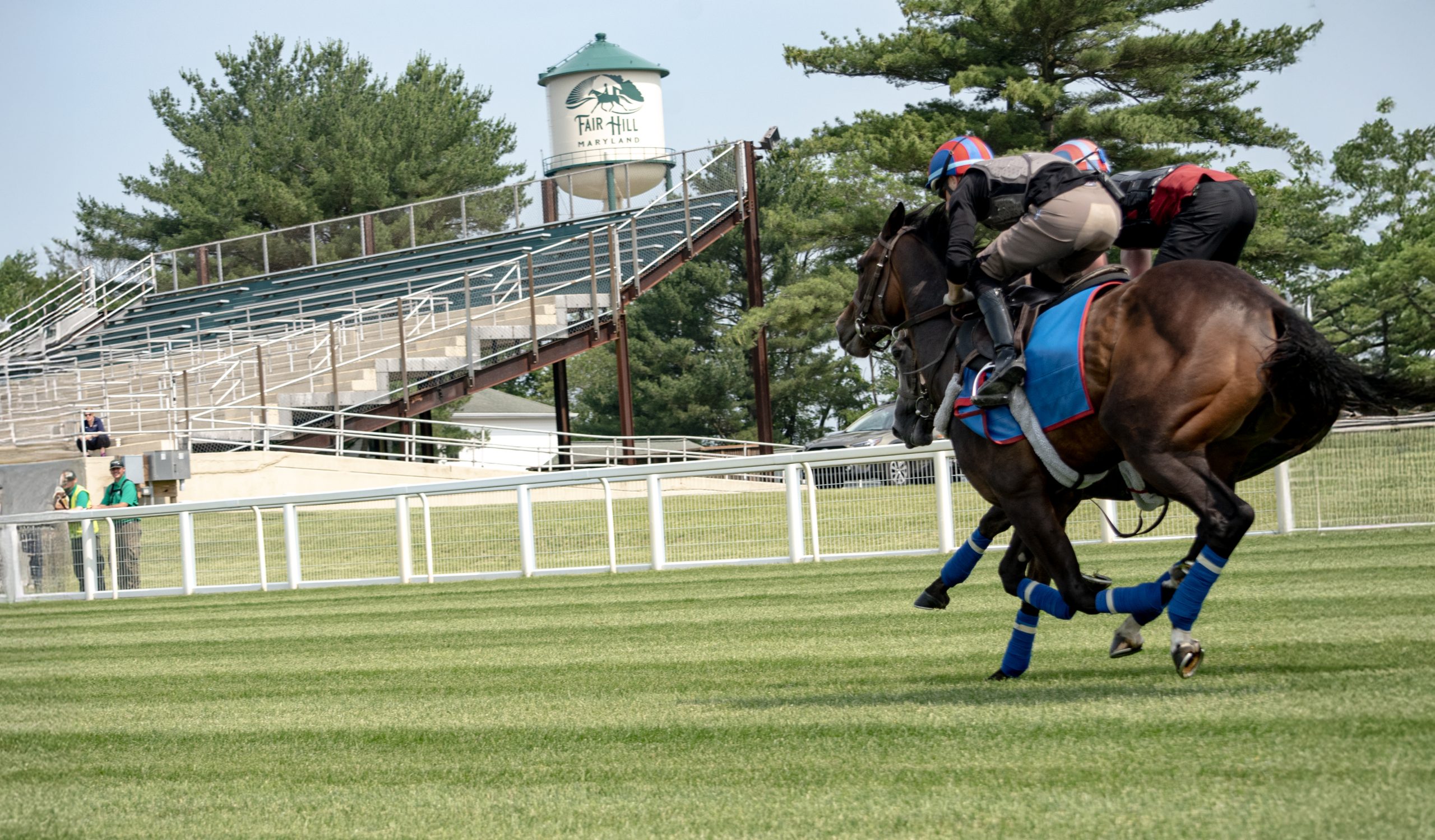
Horses test the new turf track at Fair Hill. Photo by Anthony Burrows/DNR
Horse racing will return this summer to the turf track at Fair Hill Natural Resources Management Area in Cecil County, providing new opportunities for economic development through outdoor recreation and equine events.
The turf track inside the Fair Hill Special Event Zone is scheduled to reopen to racing on Aug. 30 following the completion of an infrastructure modernization project, which included the construction of a sand-based turf course of Kentucky bluegrass with a state-of-the-art irrigation system, the first course of its kind in Maryland. Fair Hill is an economic engine and cultural touchpoint for Cecil County and the broader mid-Atlantic region. Fair Hill helps Maryland maintain its status as an equestrian epicenter by hosting major horse shows and racing events as well as other recreational opportunities.
“The historic investments we’re making to ensure the future of horse racing in Maryland are also promoting work, wages, and wealth in communities across the state,” said Governor Wes Moore. “At Fair Hill, we’ve completed track and venue upgrades to usher in a new era of turf track horse racing in Cecil County. Our multifaceted approach will support Maryland’s tourism and agricultural economies, promoting prosperity for years to come.” Read more…
Maryland Fishing Report – July 9

Angler Dawn Hughes caught this speckled trout (also known as a spotted sea trout) while fishing in the Chesapeake Bay. Photo by Daniel Hughes.
The peak of the summer season is here and a time for vacations, relaxing on the water, and of course, fishing.
As a reminder, striped bass fishing of any kind will be off limits in the Chesapeake Bay and its tributaries from July 16-31. This annual summer break for our state fish helps protect them during the high water temperature and low oxygen conditions of the hottest part of summer, when the stress of catch-and-release fishing can cause a higher mortality rate. The goal is to conserve the spawning stock for future generations of anglers. In the meantime, there are many other great fishing opportunities.
Inaugural DNR Waterfowl Photo Contest Winner Announced
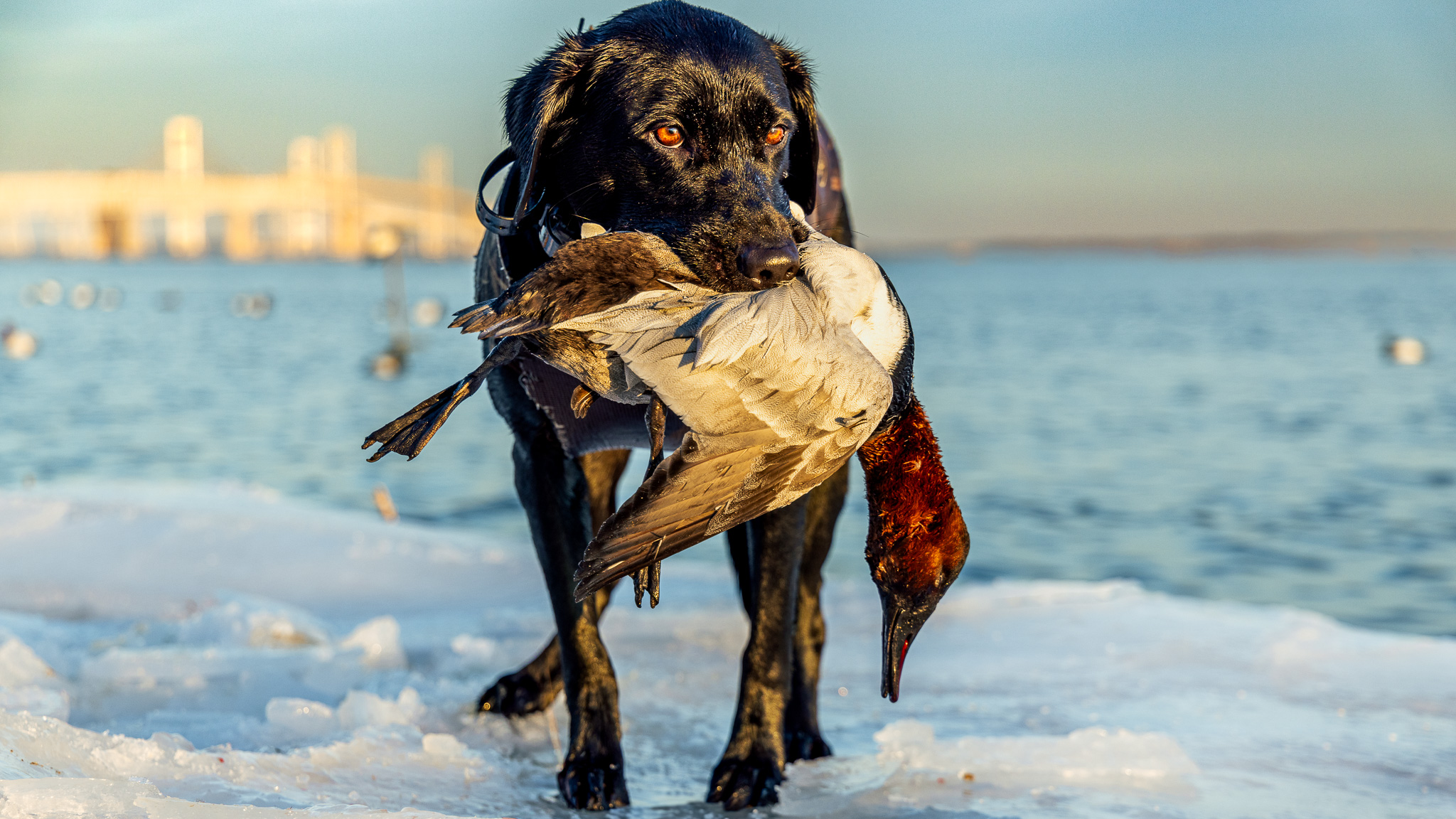
Photo by Josh Montgomery, winning entry in Maryland DNR’s 2025 waterfowl photo contest.
The Maryland Department of Natural Resources (DNR) selected Josh Montgomery as the winner of the Inaugural DNR Waterfowl Photo Contest, with his image of his retriever carrying a canvasback duck. This image will be available on a new hard-card license offered through the MD Outdoors licensing and registration system, and on the DNR 2026 Maryland Natural Resource Calendar. Read more…
Chesapeake and Atlantic Coastal Bays Trust Fund Provides $29 Million for Ecological Restoration Projects
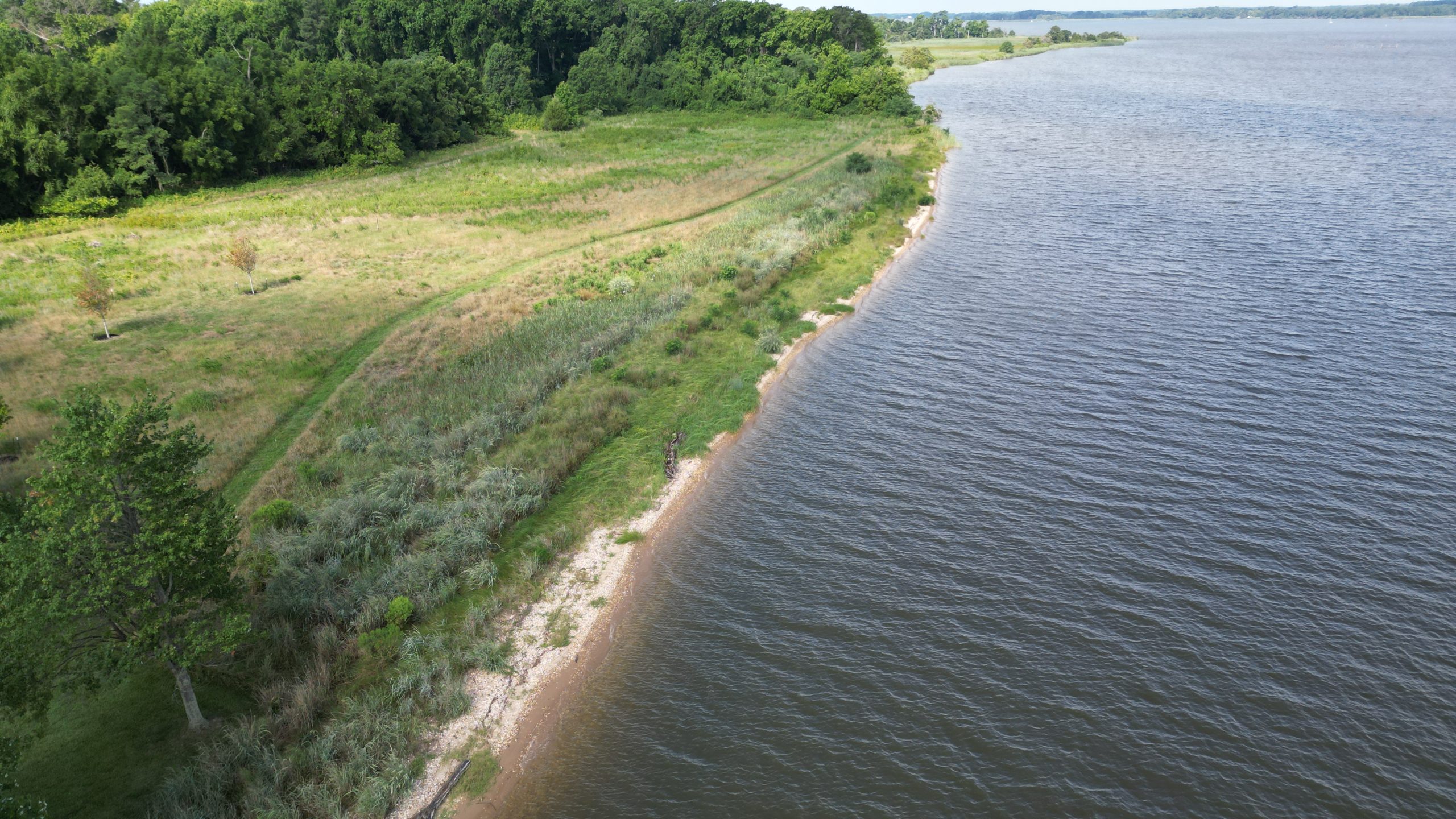
Maryland Department of Natural Resources photo
The Maryland Department of Natural Resources (DNR) is awarding $29 million from the Chesapeake and Atlantic Coastal Bays Trust Fund to 27 ecological restoration projects encompassing 160 sites throughout the state for Fiscal Year 2026. These projects were selected based on their ability to improve water quality and provide other benefits such as resilience to climate impacts, habitat enhancement, and environmental justice considerations.
These projects deploy best management practices including streamside tree buffer plantings, reforestation, stream restoration, stormwater management, living shorelines, agricultural practices, and wetland creation.
Administrators of the Chesapeake and Atlantic Coastal Bays Trust Fund use the latest science and data to determine the most cost-efficient and effective non-point source pollution reduction projects. DNR selected the recipients from applications for outcome-based funding through the department’s online Grants Gateway. Read more…
Secretary’s Message: We’re Moving Together to Make the Chesapeake Bay Better

Photo by Wendy Crowe, submitted to the 2017 Maryland DNR Photo Contest
The long-term effort to restore the Chesapeake Bay has made steady progress, and there is still more work to do.
We’re on track to complete or have already completed more than half of the outcomes we set for ourselves in 2014, when all seven watershed jurisdictions (six states and DC), the federal government, and the Chesapeake Bay Commission signed the Chesapeake Bay Watershed Agreement. At the time we committed to achieving 31 varied and critical Bay restoration outcomes beyond meeting the Total Maximum Daily Load (TMDL) by 2025.
Importantly, 2025 was a deadline, but not the finish line. At the end of last year, the Chesapeake Bay Program Executive Committee – chaired by Maryland Governor Wes Moore – determined to update these goals. After working for the first half of the year to make these revisions, a draft of the revised Chesapeake Bay Watershed Agreement is available for the public to provide input on before the Executive Council finalizes the document. Read more…
A Soaring Success: Maryland’s Bald Eagle Population Recovery
The Chesapeake Bay is now home to one of the largest populations of the bird in the U.S.
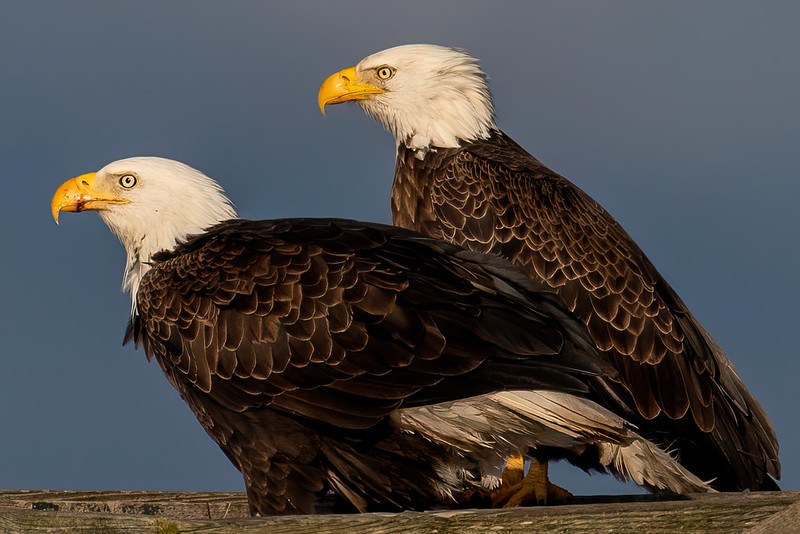
A pair of bald eagles rest after eating a fish. Photo by Bill Mish, submitted for the 2024 Maryland DNR Photo Contest
For 18 years, Glenn Therres watched the recovery of Maryland’s bald eagles from the window of a four-seater plane.
The long-time bald eagle biologist for the Maryland Department of Natural Resources, Therres had counted nests for the department’s annual bald eagle survey since 1985, when there were only 62 breeding pairs in the state. Every year, he would cross the watery parts of Maryland from 200 feet above in a Cessna, scanning the treetops for bald eagle nests. A few months later, he would come back to count the nestlings.
“Every year we would find additional nests and map the new locations,” said Therres, who retired from DNR in 2021.
For a while, a few more active nests would appear each year, but by 1990 they found 123 breeding pairs, and 200 only six years later.
“In the early days, we flew three days, then another three [for the young eagles],” he said. “By the end, we were flying nine or 10 days each survey period just to cover all the nests.”
By 2004, DNR found 390 breeding pairs of bald eagles in Maryland. Therres ended the department’s survey after that—the species had well surpassed its recovery goals in the Chesapeake Bay region. In 2025, the Maryland Bird Conservation Partnership estimates there are over 1,400 breeding pairs in Maryland. Read more…
Maryland Fishing Report – July 2

Joey Creman caught this spot for her first fish recently. Photo by Dan Pogonowski
It’s Independence Day weekend, the kids are out of school, and summer is officially here – all wonderful things. Summer offers a fantastic time to get the whole family out for a fishing adventure tuned to their capabilities.
July 4 is designated as a Free Fishing Day where no fishing license is needed to fish any of Maryland’s nontidal or tidal waters. Take advantage of this special day by taking a friend or neighbor who has never fished or hasn’t for a while, and help them discover the adventure of fishing.
This holiday weekend, the Maryland Natural Resources Police will conduct its 17th annual Operation Dry Water, focusing on heightened outreach, education, and enforcement, particularly on the importance of sober boating. Let’s all stay safe out there!
Protect Your Dogs’ Health: Harmful Algae Mats Can Pose Danger to Pets
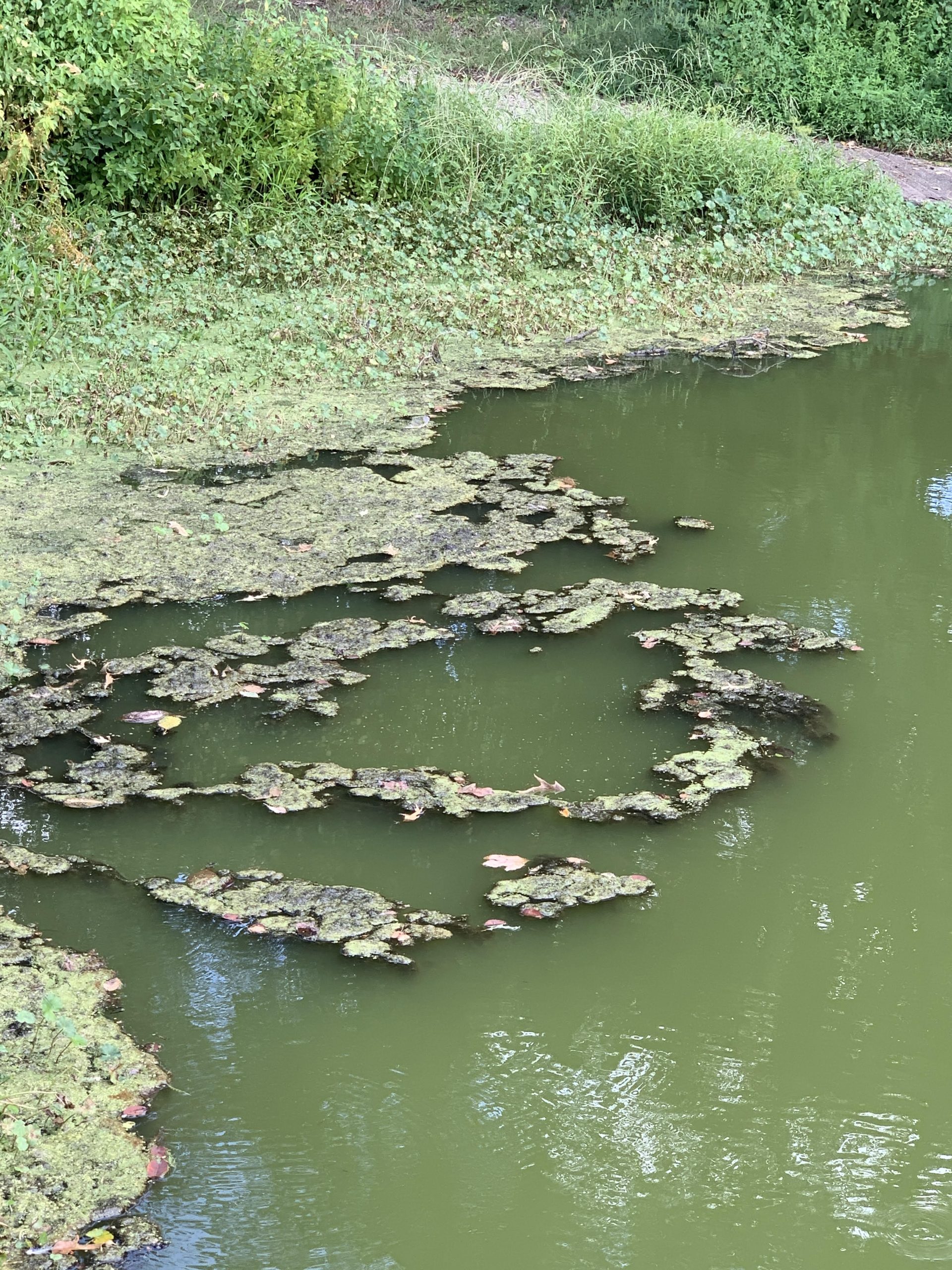
Wye Mills Lake 2024 boat ramp. Accumulation of Microseira mats (floating and within vegetation) that contained saxitoxin.The bright green color on top of mats are small floating plants (duckweed and watermeal). Also note the green colored water which was due to a planktonic algae, Microcystis, bloom that produced microcystin and led to a no-contact advisory being placed on the waterbody. DNR photo
As summer has begun, Maryland Department of Natural Resources scientists caution the public to be vigilant about freshwater algae mats that can sometimes be a health hazard for dogs and other animals.
Benthic algae mats are accumulations of algae that can vary in structure and appearance, but are often dense, green, and fibrous. Benthic cyanobacteria mats grow in both flowing and standing water such as rivers, creeks, reservoirs, lakes, and ponds, where they adhere to submerged rocks, plants, sand, shells, wood, and banks. Mats can also detach and float on the water surface, accumulate in eddies, or wash up on shore.
Not all benthic algae mats are toxic, but mats containing toxins have been found in Maryland waters over the past two years. Mats containing toxins are harmful when ingested, therefore scientists urge dog owners to keep their dogs out of the water when potentially harmful mats are present. Mats can be green, yellow, brown, or black. There is no way to determine if a mat is toxic just by looking at it; lab analysis is required. Read more…
Board of Public Works Approves $4.7 Million for Park Improvements and Land Conservation in Nine Counties
Funding approved for DNR’s Program Open Space Local, Local Parks and Playgrounds Infrastructure, and Rural Legacy programs

Rural Legacy Program funds will acquire an easement to protect 1,400 feet of forested buffer along Tuckahoe Creek, a tributary to the Choptank River and the Chesapeake Bay, and also preserve scenic views along Tuckahoe Road. Maryland DNR photo.
The Board of Public Works today approved more than $4.7 million in grants to local governments and land trusts from the Maryland Department of Natural Resources to improve park facilities and conserve land in Allegany, Baltimore, Caroline, Carroll, Cecil, Dorchester, Frederick, Prince George’s, and Washington counties.
About $2.2 million in Program Open Space – Local funding was approved for nine projects, including more than $1.2 million for Baltimore County to improve both Sparks Park and Catonsville Community Park with new pickleball courts. Additionally, Sparks Park will purchase and construct playground equipment and Catonsville Community Park will repair its paved trails.
Frederick County will receive $350,000 to construct a community center, shelters, trails, parking lot, and roads at Othello Regional Park. In addition, Prince George’s is receiving $360,000 to acquire 9 acres of woods adjacent to Huntington Park North in Bowie. The new land will expand the existing park amenities by the creation of a natural surface trail loop on the site. Read more…
Natural Resources Police Conducting ‘Operation Dry Water’ to Combat Boating Under the Influence
Anyone convicted of impaired boating can spend a year in prison and lose their boating license

Boaters should wear life jackets, avoid drinking and operating, and closely monitor weather conditions to ensure safety on the water this holiday weekend. Maryland DNR photo.
This Independence Day weekend, the Maryland Natural Resources Police (NRP) will ramp up patrols and enforcement efforts throughout the busiest boating holiday of the year.
NRP will conduct its 17th annual Operation Dry Water, focusing on heightened outreach, education, and enforcement, particularly on the importance of sober boating. Maryland waterway users should expect increased patrols and vessel checks to prioritize the safety of everyone on the water. Read more…
Online Licensing Process for Waterfowl Blind Sites Begins July 16
Landowners, hunters can enter lottery to secure waterfowl hunting locations

Maryland Department of Natural Resources photo
The Maryland Department of Natural Resources (DNR) is again offering an online process for Maryland hunters to apply for a 2025-2026 waterfowl blind site license. From July 16 through July 29, hunters and riparian landowners may enter the annual lottery for the opening days of blind site licensing.
Hunters and riparian landowners with a DNR ID can register to be entered into a random lottery for a county of their choice. Anyone can register for a DNR ID through the department’s online licensing portal. Read more…
Chromite State Mineral Recognition Alludes to Maryland’s Past as the Chrome Capital of the World
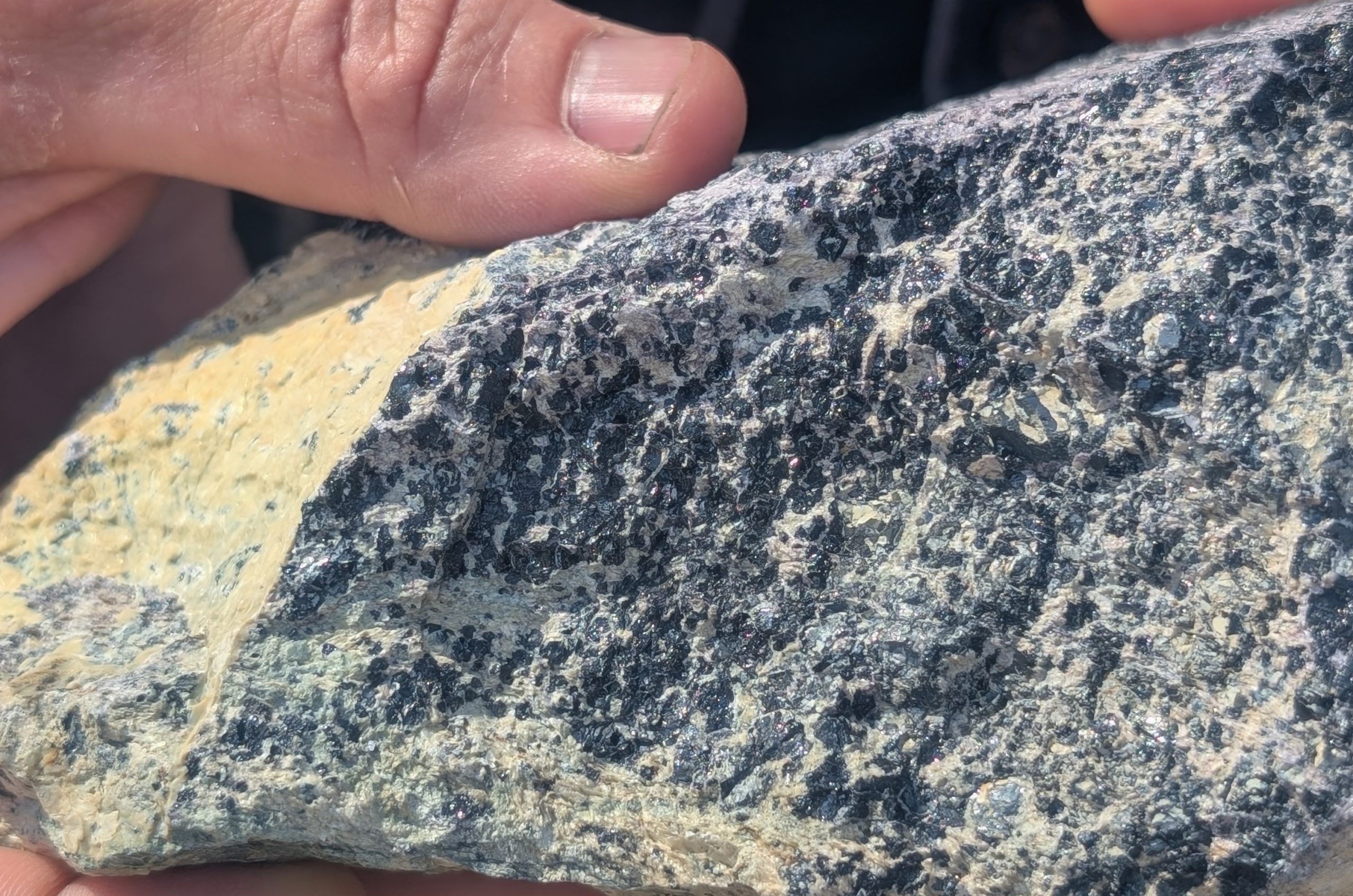
A piece of chromite.
When Isaac Tyson Jr. looked out across the sparsely vegetated hills in the serpentine barrens of Baltimore County 200 years ago, he saw something others didn’t see, because he knew something others didn’t know.
Underground, the land was far from barren. It contained a mineral that would make Maryland a leader in 19th century industry, a key ingredient in the steel in our nation’s buildings, bridges and railroads.
The mineral was chromite – which this year was recognized as Maryland’s state mineral for its central role in state history.
Maryland Fishing Report – June 25
Leroy and Devin Tunnage had a wonderful day fishing with a light tackle fishing guide on the Chesapeake Bay. Photo courtesy of Travis Long
There is plenty of good fishing to be found in Maryland this week and for those wishing to fish open waters and not owning a boat, there are fishing guides, light tackle fishing guides, charter boats, and party boats to take customers out fishing. They are in the business of putting smiles on people’s faces.
Maryland Department of Natural Resources’ Annual Survey Detects 62 Deer with Chronic Wasting Disease in 2024
Maryland’s chronic wasting disease management area has expanded to include Howard County
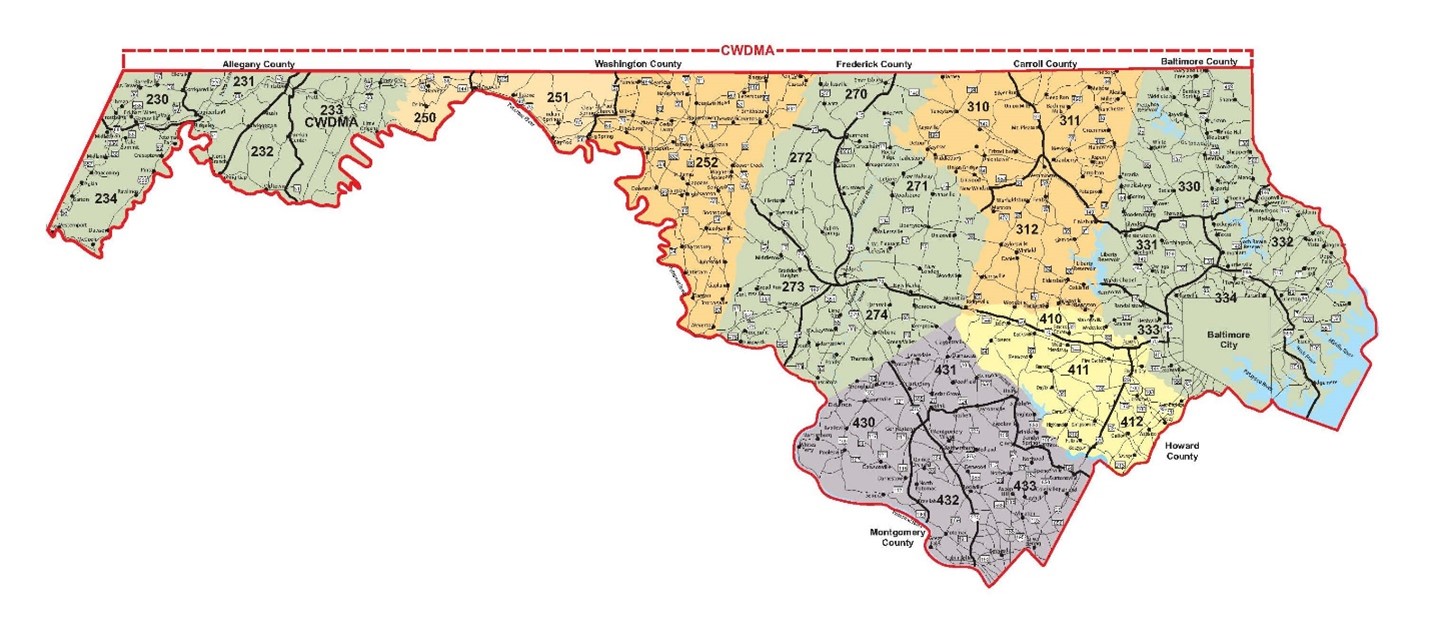
The Maryland Department of Natural Resources reported Tuesday that 62 white-tailed deer sampled in 2024 tested positive for chronic wasting disease, a neurological disease found in deer, elk, and moose.
Of the positive samples, all but one came from within the existing chronic wasting disease management area, which included Allegany (34), Baltimore (0), Carroll (0), Frederick (7), Montgomery (3), and Washington (17) counties. Chronic wasting disease was also detected for the first time in one deer sampled from Howard County. Read more…
New MD Outdoors Licensing System Now Online
Photo by Tonia Quade, submitted to the 2015 Maryland DNR Photo Contest
The Maryland Department of Natural Resources’ new online licensing system, MD Outdoors, is now available for residents and visitors to purchase Maryland hunting and fishing licenses as well as associated stamps and permits, boat and off-road vehicle renewal registration, and other services.
MD Outdoors provides residents and visitors a convenient one-stop shop, replacing the former site COMPASS. Read more…
Community Parks and Playgrounds Program Now Accepting Applications for the Fiscal Year 2027 Grant Round

Maryland DNR photo
The Maryland Department of Natural Resources is now accepting grant proposals for the FY 2027 Community Parks and Playgrounds program. The Community Parks and Playgrounds program provides flexible grants to municipal governments to rehabilitate, expand, or improve existing parks, create new parks, or purchase and install playground equipment. The proposals will be reviewed and considered for submission to the General Assembly as part of the Governor’s FY 2027 budget.
Governor Wes Moore’s FY 2026 budget included a total of $5 million for 26 projects across 15 counties. These projects include new pickleball courts in Cumberland, new playground equipment in Denton, Greensboro, Chesapeake City, Vienna, Mount Airy, Thurmont, Loch Lynn Heights, Rockville, Berwyn Heights, Williamsport, Salisbury and Ocean City, and pavilions, restrooms, lighting, and field improvements in other cities and towns. As the projects are ready, they will be presented to the Board of Public Works for approval.
Maryland Natural Resources Police Report: Spring 2025

NRP Underwater Operations Team members patrol the Severn River during the U.S. Navy Blue Angels flight demonstrations in May. Maryland DNR photo.
The Maryland Natural Resources Police took action on numerous violations of criminal and natural resource law from March through May. During those months, individuals were charged for violations including hunting out of season, baiting game animals, spotlighting deer, weapons charges, commercial oyster violations, and other crimes. Read more…
Maryland Fishing Report – June 18
Speckled trout are one of those species and Rexx Williamson caught and released this beautiful specimen. Photo Courtesy of Rexx Williamson
Maryland anglers are seeing some wonderful fishing opportunities this week as freshwater species settle into predictable patterns and an influx of summer marine species begin to move into Maryland waters.
Public Should Report Marine Mammal and Turtle Sightings and Strandings in Maryland to DNR

This humpback whale washed ashore on Assateague Island in summer 2024 and was investigated by Maryland DNR’s Stranding Response Program. Photo by Amanda Weschler, Maryland Department of Natural Resources.
The Maryland Department of Natural Resources asks residents and visitors enjoying coastal and tidal waterways to remain alert for marine mammals and sea turtles into summer through early fall.
Dolphins, manatees, sea turtles, whales, and other marine wildlife are regular seasonal visitors to the Chesapeake Bay and its tidal tributaries, the Atlantic Ocean, and coastal bays. So far in 2025, Maryland has reported a higher-than-average number of strandings.
The five-year average (2020–2024) for marine mammal strandings in Maryland from January to May was 10 cases. As of June, the stranding program has responded to 29 animals.
Anyone who sees a marine mammal or sea turtle in Maryland waters is encouraged to report it via the Maryland Natural Resources Police Hotline, 800-628-9944, or use a simple online form to report deceased marine mammals or sea turtles. Anglers, boaters, and beachgoers should especially be on the lookout for stranded, dead, sick, injured, or entangled animals. Read more…
Anne Arundel County Angler Breaks Maryland State Record for Chesapeake Channa
The record invasive fish, also known as northern snakehead, weighed 21.8 pounds

Matt Foreman of Crownsville holds the state record Chesapeake Channa, a 21.8-pound fish caught June 7, 2025. Photo courtesy Matt Foreman.
The Maryland Department of Natural Resources recognizes Matt Foreman of Crownsville as the new state record holder for Chesapeake Channa— also known as northern snakehead (Channa argus) — in the state’s Invasive Division. Foreman caught the 21.8-pound fish on the evening of June 7 in the Susquehanna River below the Conowingo Dam.
It was a pleasant evening, with a light breeze, when Forman set out on a Working Class Outdoorsman charter, captained by Nick Mather. Foreman used a Vadersbow Saber X bow with a generic tip to catch his record-sized fish. The 26-foot aluminum vessel was outfitted with a custom lighting system to search for fish. Read more…
Maryland Natural Resources Police Annual Awards Ceremony Honors Officers for Exceptional Service
Officers were awarded for lifesaving action, conservation enforcement, and more

The Natural Resources Police Underwater Operations Team is awarded with a Unit Citation, recognizing the divers for their work in several incidents including their response to the collapse of the Francis Scott Key Bridge. Maryland DNR photo.
The Maryland Natural Resources Police held its annual award ceremony June 13 to recognize the achievements made by conservation law enforcement officers and professional staff in 2024. The officers were presented honors by Maryland Department of Natural Resources Sec. Josh Kurtz and Natural Resources Police Col. Orlando Lilly at Annapolis High School in Anne Arundel County.
“Our hardworking Natural Resources Police officers represent our department with the utmost professionalism and honor,” said Sec. Kurtz. “We recognize their accomplishments and honor those who went above and beyond so Marylanders can enjoy our state’s natural areas, resources, waterways, and lands safely and sustainable.” Read more…
Maryland Fishing Report – June 11

Maryland offers a wide variety of fishing opportunities, as this happy angler found on a party boat out of Ocean City, fishing for black sea bass. Photo by Monty Hawkins
One of the most wonderful things about fishing is that anyone can do it anytime and almost anywhere.
Board of Public Works Approves $3.2 Million for Construction of Trails and Park Facilities in Baltimore, Frederick, Prince George’s and Other Counties
Funding approved for DNR’s Program Open Space – Local

Program Open Space-Local grants can help communities develop outdoor recreation facilities like regional parks, athletic fields, and playgrounds. Maryland Department of Natural Resources.
The Board of Public Works today approved more than $3.2 million in grants to local governments from the Maryland Department of Natural Resources to construct trails and park facilities in Allegany, Baltimore, Carroll, Cecil, Dorchester, Frederick, Prince George’s, Washington, and Worcester counties. Read more…
Maryland Department of Natural Resources Rolling out New Licensing System, MD Outdoors

Photo by Mark Rutt, submitted to the 2020 Maryland DNR Photo Contest.
The Maryland Department of Natural Resources will introduce its new online licensing system, MD Outdoors, on June 24. This centralized system replaces the current system, COMPASS.
MD Outdoors will continue to offer products for all outdoor activities, including all Maryland hunting and fishing licenses and associated stamps and permits, boat and off-road vehicle renewal registration, and other services that will be available in this one convenient location. The system is designed to streamline the process of renewing licenses and permits as well as make it easier and more simple for new and returning customers.
Current license-holders will retain their DNR ID number; the new website will provide clear instructions on creating a new username and password for MD Outdoors, where customers can retrieve their account information. The new system includes auto-renew options, an easier-to-navigate interface, and an app that stores your license information, and can help direct people to new hunting and fishing opportunities. Other benefits and capabilities will be added in the future. Read more…
Maryland Board of Public Works Approves $4.3 Million to Promote Greenspace Equity Throughout Maryland

Maryland Department of Natural Resources photo
Board of Public Works has approved more than $4.3 million in grants to support 20 projects under the Maryland Department of Natural Resources’ Greenspace Equity Program.
These awards will benefit local governments, land trusts, and nonprofit organizations working to enhance green spaces in underserved communities across 14 counties. An additional $567,382 in grants for two projects will be presented to the BPW for approval at a future meeting.
Established by Maryland General Assembly legislation in 2023, the Greenspace Equity Program supports the creation, preservation, and improvement of public green spaces, enhancing the public health and community livability in overburdened and underserved communities. The Greenspace Equity legislation defines areas as overburdened if environmental health measures show they are affected by pollution sources at higher levels than other areas and underserved based on income levels and other indicators. Read more…
Secretary’s Message: Maryland State Parks Are Saving a Space For You

A ranger places the “open” sign at Point Lookout State Park. Maryland Department of Natural Resources photo.
Summer vacation season has arrived and millions of Marylanders are making plans to head for the great outdoors. Our public lands are ready to receive this annual influx with a little help from a logistical solution to a longstanding problem.
For many years, the popularity of our public lands presented issues to be resolved: People hoping to spend a day at certain state parks–mostly those that offer swimming opportunities when the weather warms–instead had to wait in line at the gate, and all too often were told they could not get in because the park had reached capacity. The resulting traffic backups were a significant inconvenience for park visitors, neighboring communities, and law enforcement.
To address this problem, the Maryland Park Service successfully rolled out a new reservation system for day-use visitors in May at the state parks that experienced the most capacity closures. The system debuted Memorial Day weekend at Sandy Point State Park in Anne Arundel County and Greenbrier State Park in Washington County and will begin taking reservations June 12 at North Point State Park in Baltimore County and Newtowne Neck and Point Lookout state parks in St. Mary’s County, for the Juneteenth holiday. Read more…
Maryland’s Freshwater Bass Scene Reels In Nationwide Tournaments

Professional angler Chad Pipkens hooks up at the 2022 Bassmaster Northern Open in the upper Chesapeake Bay on his way to an eighth-place finish. Photo used with permission of Bassmaster.
When it comes to competitive bass fishing, Maryland stands out as a prime destination for anglers across the country. With abundant waterways offering diverse and healthy fish populations, the state provides ample opportunities to catch both sizable smallmouth and largemouth bass. From tidal rivers to expansive reservoirs to the nation’s largest estuary, Maryland’s waterbodies are among the best when it comes to fishing.
Professional and amateur anglers alike shouldn’t be surprised by abundant catches – and Maryland waters hold some big fish. The state record largemouth is an 11-pound, 6-ounce lunker caught in a Southern Maryland pond. Read more…
Day Pass Reservation System to Begin at Point Lookout, Newtowne Neck, and North Point State Parks for Juneteenth Holiday

Maryland DNR photo
UPDATE: The Maryland Park Service’s new day-use reservation system, parkdayuse.maryland.gov, is now in operation for five Maryland State Parks through the end of the summer season.
Visitors to Point Lookout, Newtowne Neck, and North Point State Parks will be able to make day-use reservations beginning June 12 for the Juneteenth holiday, June 19, and then for all subsequent weekends and holidays through Labor Day. The day-use reservation system has been successfully operating on peak days at Greenbrier State Park and Sandy Point State Park since Memorial Day weekend. Visitors to all five parks can make reservations up to seven days in advance of a visit at parkdayuse.maryland.gov.
The Maryland Park Service’s new day pass reservation system requires all visitors to these parks to reserve their day-use passes in advance during peak times, to reduce overcrowding, limit traffic backups at park entrances, reduce the frequency of capacity closures, and ensure that every visitor knows they have a space before arriving.
With the new system, advance reservations are mandatory on weekends and holidays through Labor Day— no same-day drive-up access will be allowed. Reservations must be made online and can be revised or canceled until 8 a.m. the day before the visit. Read more…
Maryland Park Service Reinstates Maryland Conservation Corps After Federal Cuts Threatened Program

A Maryland Conservation Corps crew takes a break from restoration work at Wolf Den Run State Park in 2019. Maryland DNR photo.
The Maryland Department of Natural Resources and Maryland Park Service have reactivated 17 members of the Maryland Conservation Corps (MCC), who were demobilized in late April after a sudden termination of grant funds by the federal program supporting it.
Following the federal government’s termination of numerous AmeriCorps programs on April 25, late on a Friday night, the Maryland Park Service coordinated efforts to find resources, facilitate strategic planning, and develop next steps to put the program back into place. On May 27 the department reinstated the MCC program with state funding for the remainder of this program year, through the end of August. The department also awaits the impact of a June 5 federal court ruling that reinstates AmeriCorps funding, however the Maryland Park Service program will continue regardless of outcome. Read more…