
Natural Resources News
Maryland and National Park Service to Host Harriet Tubman Day Symposium
Event will Explore the Universal Definition and Reach of Freedom

Celebrate the life and legacy of Harriet Tubman at a symposium on March 10 from 4:00-5:30 p.m. at the Blackwater National Wildlife Refuge visitor center in Cambridge. Hosted by the National Park Service and Maryland Department of Natural Resources, the evening will feature a panel of scholars and historians delving into African American history, the journey toward equality and the true meaning of freedom. The Blackwater National Wildlife Refuge visitor center is located at 2145 Key Wallace Drive. Read more…
Dorchester County Waterman Charged with 146 Counts of Poaching Oysters

James A. Horseman
A Dorchester County waterman, twice convicted of poaching oysters, was charged Friday with 146 counts of harvesting undersized oysters by the Maryland Natural Resources Police.
James Alexander Horseman, 26, of Madison, is scheduled for trial in Dorchester County District Court on April 4. If found guilty, he faces a maximum fine of $146,000. Read more…
Maryland Forester Earns National Award
Dan Hedderick Recognized as Northeast Regional Outstanding Tree Farm Inspector
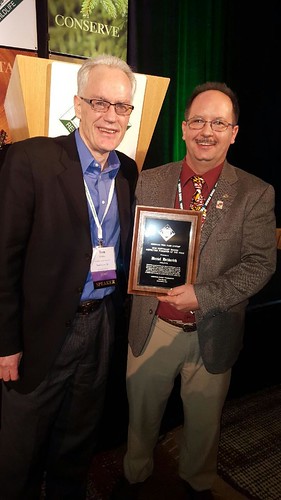
Tom Martin of the American Forest Foundation presents Hedderick (Right) with his award.
The American Forest Foundation named Dan Hedderick the Northeast Regional Outstanding Tree Farm Inspector of the Year for 2016. As the Maryland Department of Natural Resources forestry project manager for Allegany County, Hedderick received this national award for his work as an exceptional certified inspector and natural resources professional.
Maryland Tree Nursery Accepting Orders for Spring Planting
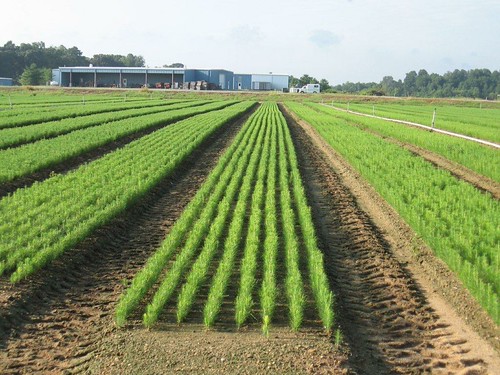
Loblolly Pine at the State Tree Nursery
The Maryland Department of Natural Resources is accepting tree seedling orders through the John S. Ayton State Forest Tree Nursery for larger plantings on private lands through April 29. There are more than 50 tree species available to meet a variety of aesthetic and environmental needs. Read more…
Hunting and Trapping Regulations Proposed
Public Comment Accepted through March 15
The Maryland Department of Natural Resources is accepting public comment on the proposed changes to the 2016-2018 hunting and trapping seasons. The department reevaluates the regulations for select resident game species every two years to ensure best management. Read more…
Migratory Game Bird Hunting Seasons Proposed
Public Comments Accepted through March 14

The Maryland Department of Natural Resources is accepting public comment on the proposed 2016-2017 migratory game bird hunting seasons. The seasons will be finalized in early spring after the department reviews input and obtains approval from the U.S. Fish and Wildlife Service. Read more…
2017 Maryland State Forest Work Plans Released
Public Comment Deadline March 25
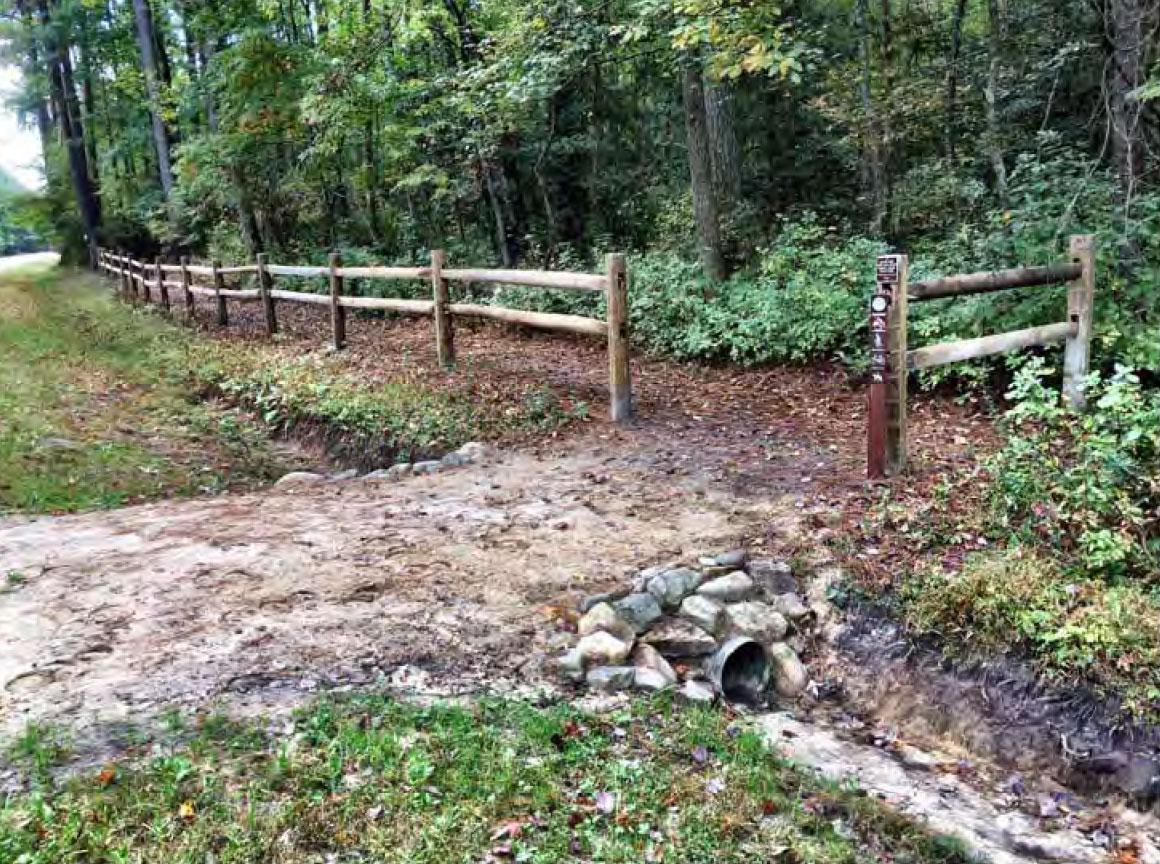
The Maryland Department of Natural Resources is seeking public comment on the proposed 2017 fiscal year work plans for Chesapeake, Garrett, Green Ridge, Pocomoke, Potomac and Savage River state forests Read more…
Maryland’s Chesapeake Bay Striped Bass Season Opens April 16
Spring Limit is One Fish Daily, 35 Inches or Larger
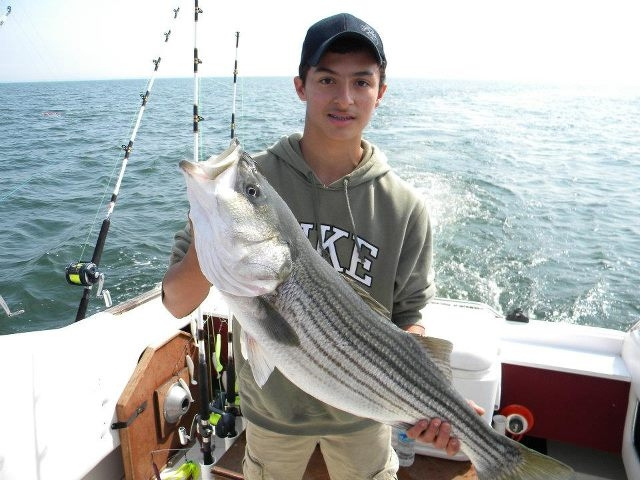
Photo Credit Sean Russell
The spring season for the state fish, striped bass, kicks off on April 16 in Maryland’s portion of the Chesapeake Bay. Spring recreational fishing opportunities for striped bass, locally known as rockfish, will run from April 16 through May 15, with a catch limit of one fish per person, per day, 35 inches or larger. Read more…
Natural Resources Police Charges Oyster Poacher, Seizes Illegal Eels, Arrests Drunken Driver
 Oyster poaching, the illegal sale of invasive species and a drunken driving arrest were some of the recent cases handled by the Maryland Natural Resources Police. Read more…
Maryland Seeks Environmental Literacy Project Proposals
Funding Supports K-12 Stream Study and Stewardship Programs
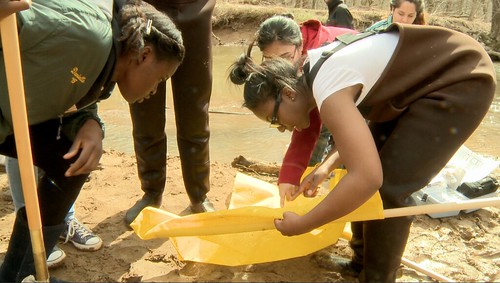
The state is looking to engage more students in stream study and stewardship projects aimed at improving the health of local waterways. As such, the Maryland Department of Natural Resources is actively seeking proposals for environmental literacy projects through Environmental Protection Agency Chesapeake Bay Implementation Grants. Projects will be evaluated based on their ability to establish strong partnerships with schools, and support state education requirements and environmental commitments. Read more…
Waterman Charged with Dumping Animal Carcasses, Hunter Cited for Poaching

Dead fish dumped on private property
Illegal dumping of animal carcasses and deer poaching were among the cases handled recently by the Maryland Natural Resources Police. Read more…
Maryland Funds Water Quality Improvement Projects in 15 Counties
27 Projects to Receive $1.43 Million

A bioretention project along a traffic circle in Takoma Park filters contaminants and sediment from polluted runoff
Community groups and local governments across Maryland have been awarded Watershed Assistance Grants totaling approximately $1.43 million to carry out local water quality improvement projects. In total, 15 different counties and Baltimore City were selected to receive funding. Read more…
Maryland Challenges Virginia Coal Ash Permit
State Files Appeal Documents in Richmond
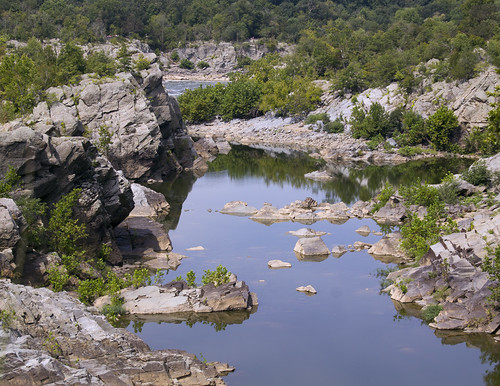
Potomac River by Amber Hare
The state of Maryland has filed an appeal with the Commonwealth of Virginia calling for an official review of a recent Virginia Department of Environmental Quality decision to approve a coal ash water discharge permit for Dominion Virginia Power. That permit would authorize the release of potentially toxic pollutants into Quantico Creek and the Potomac River. The appeal will go before the Circuit Court for the City of Richmond. Read more…
Nominations being accepted for 39th annual Tawes and Coulter Awards for a Clean Environment
Tawes Award winner’s favorite nonprofit group to receive $300 donation in their name; nomination deadline is April 14
Nominations are being accepted for the 2016 Tawes Award for a Clean Environment and for the James B. Coulter Government Employee Award. The Tawes Award recognizes individuals, civic, community and non-profit groups that have demonstrated outstanding efforts to enhance Maryland’s environment over a period of time or with a single project. There are separate categories for youth and adults. The James B. Coulter Award acknowledges outstanding environmental contributions by a government employee. The Maryland Petroleum Council will donate $300 each in the names of the Tawes youth and adult winners to the nonprofit group of their choice
The deadline for nominations is April 14. Nomination forms are available on the department’s website, and may be submitted by email to [email protected] or by mail to: Maryland Department of the Environment, Office of Communications, 7th Floor, 1800 Washington Boulevard, Baltimore, MD 21230, Attention: Adrienne Diaczok – Tawes Award. Read more.
Carroll County Poacher Placed on “Do Not Hunt” Registry

Christopher Robert Meyer
A Carroll County man convicted of multiple game violations and prohibited from hunting in Maryland for a year has been placed on a suspension list in 44 other states.
Christopher Robert Meyer, 35, of Westminster, was entered this week in the registry for the Interstate Wildlife Violators Compact, a reciprocal agreement that recognizes suspension of fishing, hunting and trapping licenses in member states. Read more…
Riparian Property Licensing Now Open
Applications Due by May 31
Riparian (waterfront) property owners, or those with landowner permission, can now submit their applications for offshore waterfowl blind and shoreline licenses. Read more…
Maryland Offers Fishing License Discount for 16-Year-Olds
New 16 in 16 Program in Effect through 2016

Now through the end of 2016, the Maryland Department of Natural Resources is offering a half-price incentive to 16-year-old anglers purchasing a fishing license for the first time. In Maryland, anglers under the age of 16 are not required to possess licenses. Read more…
Enhancing Maryland’s Working Waterfronts
Department Awards Three Grants
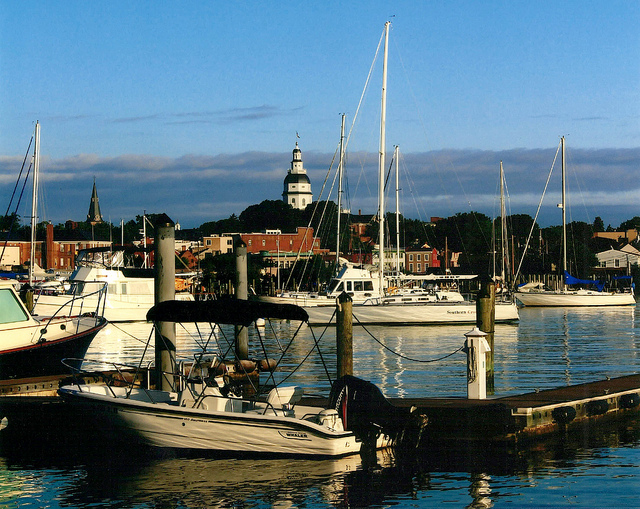
Photo by Allan Napfel
The Maryland Department of Natural Resources has awarded three municipalities—Talbot County, the City of Annapolis and the Town of Rock Hall—with financial and technical assistance for projects through the new Working Waterfronts Program. These one-year projects will begin in early to mid February with the goal of enhancing and preserving their waterfront communities.
Natural Resources Police, Fire Divers Recover Bodies of Severn River Duck Hunters
 The bodies of two duck hunters, who drowned last month when their boat capsized in the Severn River, were recovered today not far from where they were last seen, the Maryland Natural Resources Police reported. Read more…
Nearly 3,500 Acres on Eastern Shore Added to Chesapeake Forest Land
Program Open Space Acquisition to Benefit Maryland’s Natural Resource-Based Economies
In one of the largest acquisitions of its kind, the Board of Public Works today approved funding to secure 3,486 acres of prime forest land on Maryland’s Lower Eastern Shore for economic, environmental and recreational purposes. The Maryland Department of Natural Resources will manage the property as part of its Chesapeake Forest Lands, helping to preserve the state’s sustainable forest products industry. Read more…
84,022 Deer Harvested in Maryland during 2015-2016 Hunting Season
Harvest Declined 3 Percent from Last Year
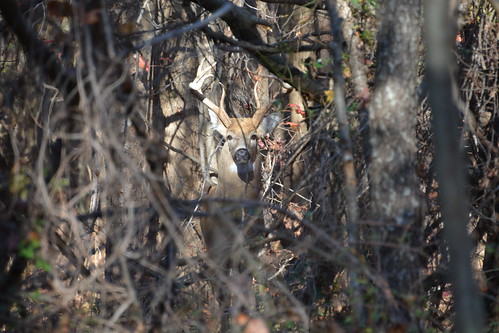
Photo by Douglas E. George
Maryland hunters harvested slightly less deer than last year during the combined archery, muzzleloader and firearm seasons (Sept. 11, 2015 through Jan. 30, 2016), according to the Maryland Department of Natural Resources. The harvest of 84,022 deer represents a 3 percent decrease from last year’s total of 86,883. Biologists attribute the slight decline to reduced deer numbers in some rural areas and poor weather conditions, which impeded hunting. Read more…
Body Identified in Boating Accident Near Bay Bridge
Note: headline was corrected 2-5-16 at 6:42 p.m.
A body recovered at the mouth of the Choptank River has been identified as the boater who fell from his sailboat on New Year’s Eve just north of the Bay Bridge, the Maryland Natural Resources Police said. Read more…
Oyster and Waterfowl Poachers Caught by Natural Resources Police
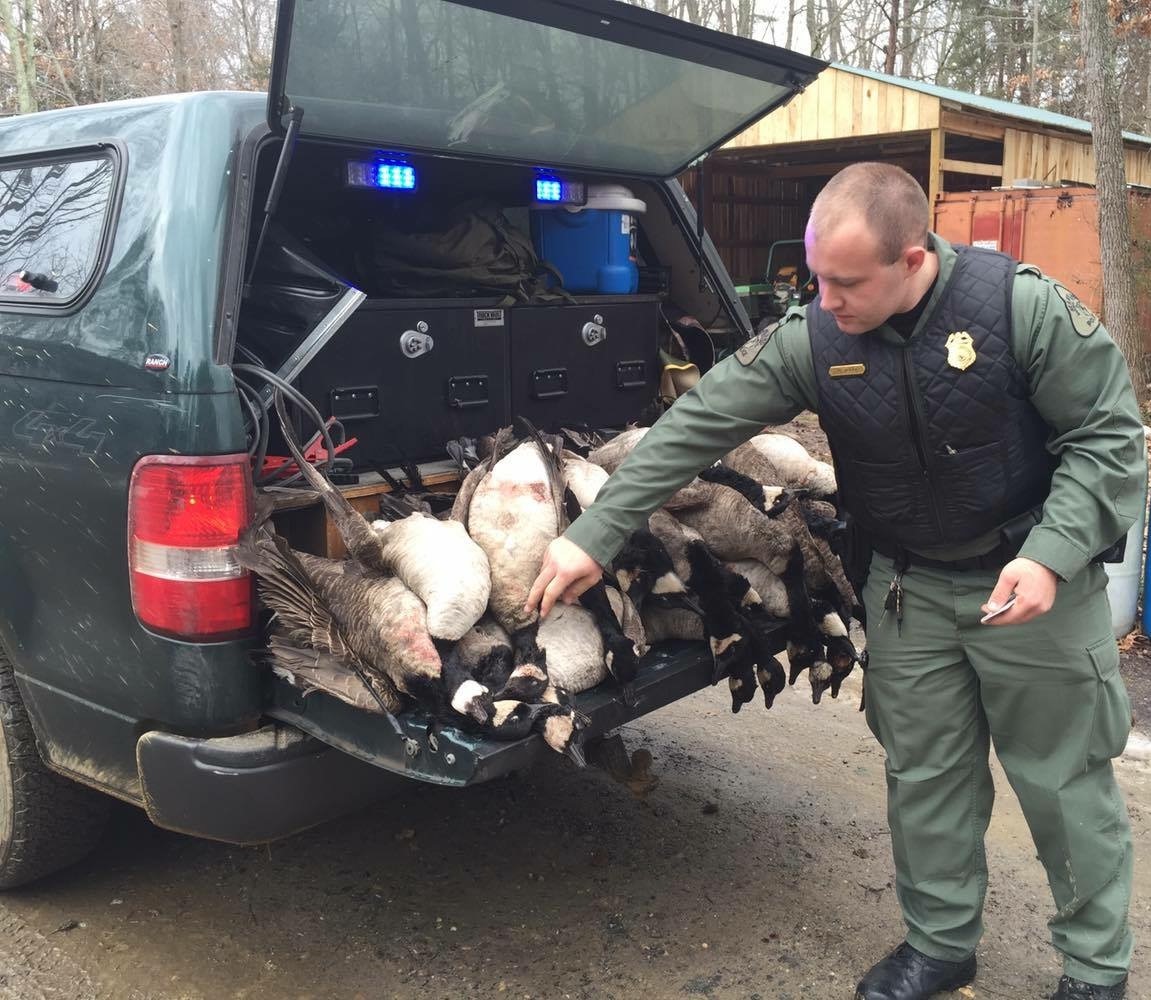
Three Charles Co. men were found with 24 geese over the limit.
Illegal goose hunting and oyster poaching were among the cases handled recently by the Maryland Natural Resources Police. Read more…
Spring Trout Stocking Begins in Maryland Streams and Lakes
Four Locations to Receive Weekly Deliveries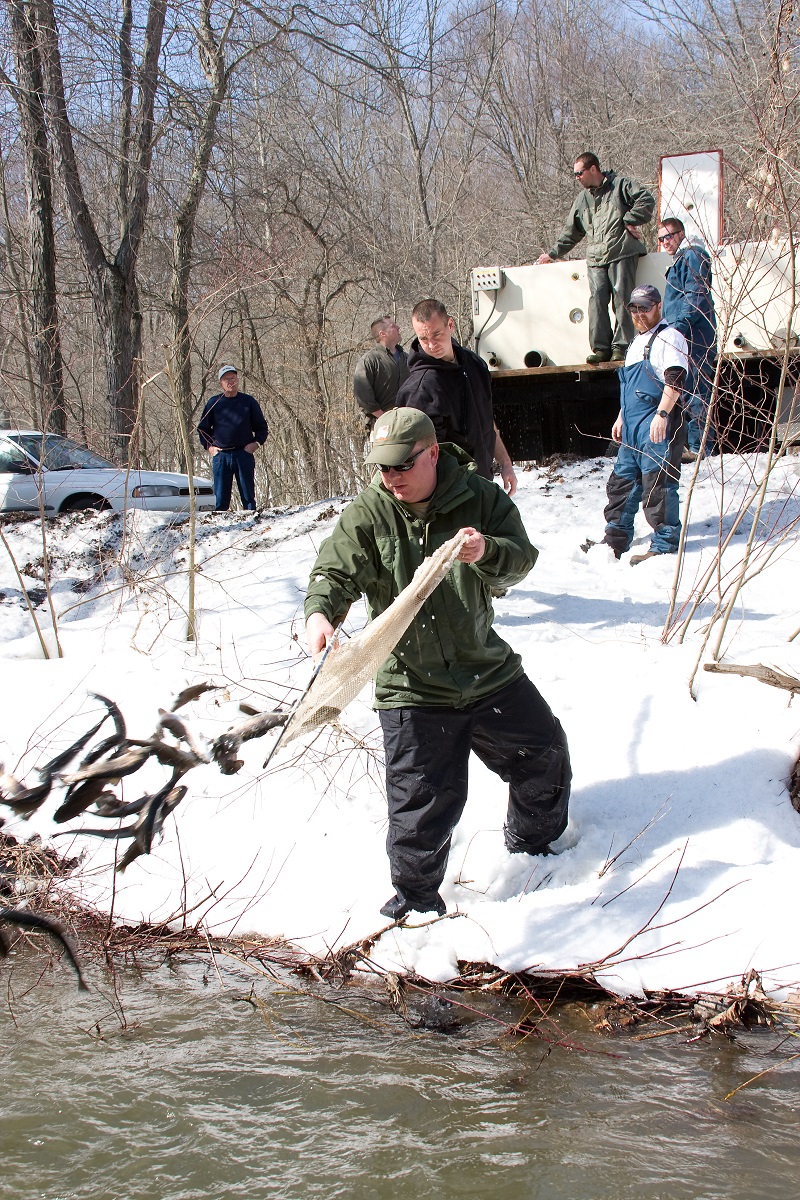
The Maryland Department of Natural Resources Fisheries Service will stock about 338,000 rainbow, golden and brown trout throughout the state beginning in February.
Following the popularity of previous years’ weekly deliveries to Antietam Creek, department crews will do the same during the spring stocking season at Bear Creek in Garrett County, South Branch Patapsco River at River Road in Carroll County and at Lake Artemesia in Prince George’s County. Read more…
The Maryland Environmental Trust Calls for Award Applicants and Nominees
The Maryland Environmental Trust is seeking nominations for Maryland land trusts and individuals that have demonstrated innovative and outstanding work in land conservation. These recognitions are given annually through the trust’s Janice Hollmann Grants and the Aileen Hughes Award. Read more…
Natural Resources Police Officers Nab Three Deer Poachers
Three men were charged with deer hunting violations by the Maryland Natural Resources Police in separate incidents in Allegany and Frederick counties. Read more…
2016 Midwinter Waterfowl Survey Results Released
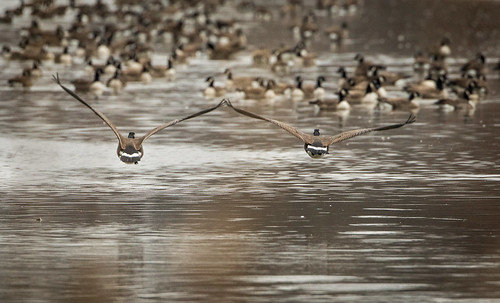
Photo by J. Scott Bruce
Each winter, aerial survey teams of pilots and biologists from the U.S. Fish and Wildlife Service and the Maryland Department of Natural Resources make visual estimates of the ducks, geese and swans along the Chesapeake Bay shoreline and Atlantic coast. This year, the teams counted approximately 663,000 waterfowl, lower than the 855,500 birds observed during 2015 and less than the five year average of 759,460.
Natural Resources Employees Recognized for Saving Lives of Crash Victims
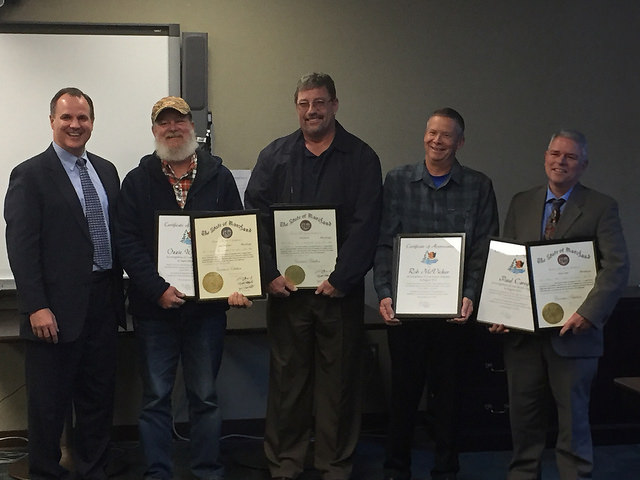
Ozzie Wilkinson, Jim Wilson, Rob McVicker and Paul Carey receive Governor’s Certificates of Appreciation from Sec. Mark Belton.
Four employees with the Maryland Department of Natural Resources Boating Services unit were recognized last week for their lifesaving actions in two separate vehicle accidents. Natural Resources Secretary Mark Belton and Boating Services Director Mark O’Malley presented certificates of appreciation from Governor Larry Hogan to Ozzie Wilkinson, Jim Wilson, Rob McVicker and Paul Carey for their quick thinking and bravery.
Poacher Loses Commercial License, Cited for Additional Oyster Violations
 A Wicomico County waterman convicted of multiple oyster poaching violations has been permanently banned from commercially fishing in Maryland waters by an administrative law judge.
Second Youth Waterfowl Hunting Day Announced
 Young Maryland hunters can hone their skills with the help of an experienced adult during the Youth Waterfowl Hunt Day set for Feb. 6. On this date, adults may take youth, 15 years of age or younger, to public and private land to experience the joy of hunting ducks, geese, mergansers and coots.
“The youth day is a great opportunity to teach young hunters about our amazing natural resources,” Department of Natural Resources Wildlife and Heritage Service Director Paul Peditto said. “As always, we encourage all participants – adults and youth – to use caution when boating and hunting and to remind them to wear life jackets when out on the water.”
Natural Resources Police Blotter
A Washington County man was charged Tuesday with illegal use of public lands by the Maryland Natural Resources Police.
Keep Maryland Beautiful Grants Available for Environmental Action and Education
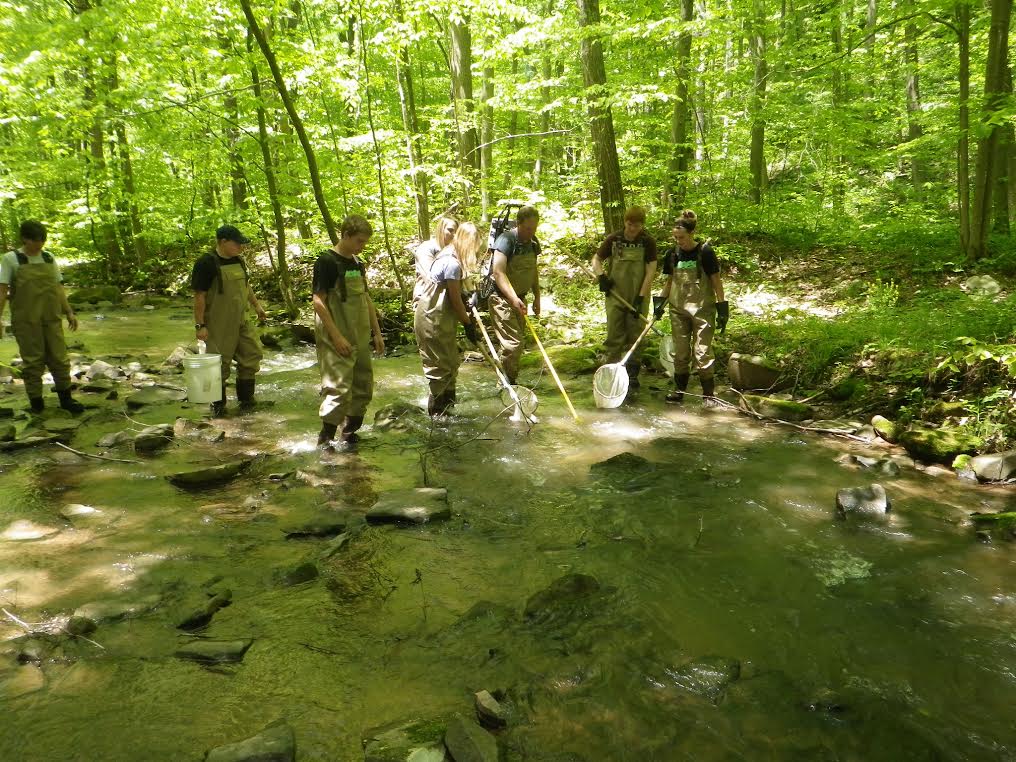
2015 grant recipient, Youghiogheny River Watershed Assoc. assessing brook trout populations with Northern Garrett High School students.
The Maryland Environmental Trust is now accepting applications for grants through the “Keep Maryland Beautiful” program to help volunteer-based, nonprofit groups and communities develop environmental education projects and solve natural resource issues. Read more…
Natural Resources Police Investigate Boat Fire, Charge Illegal Hunter
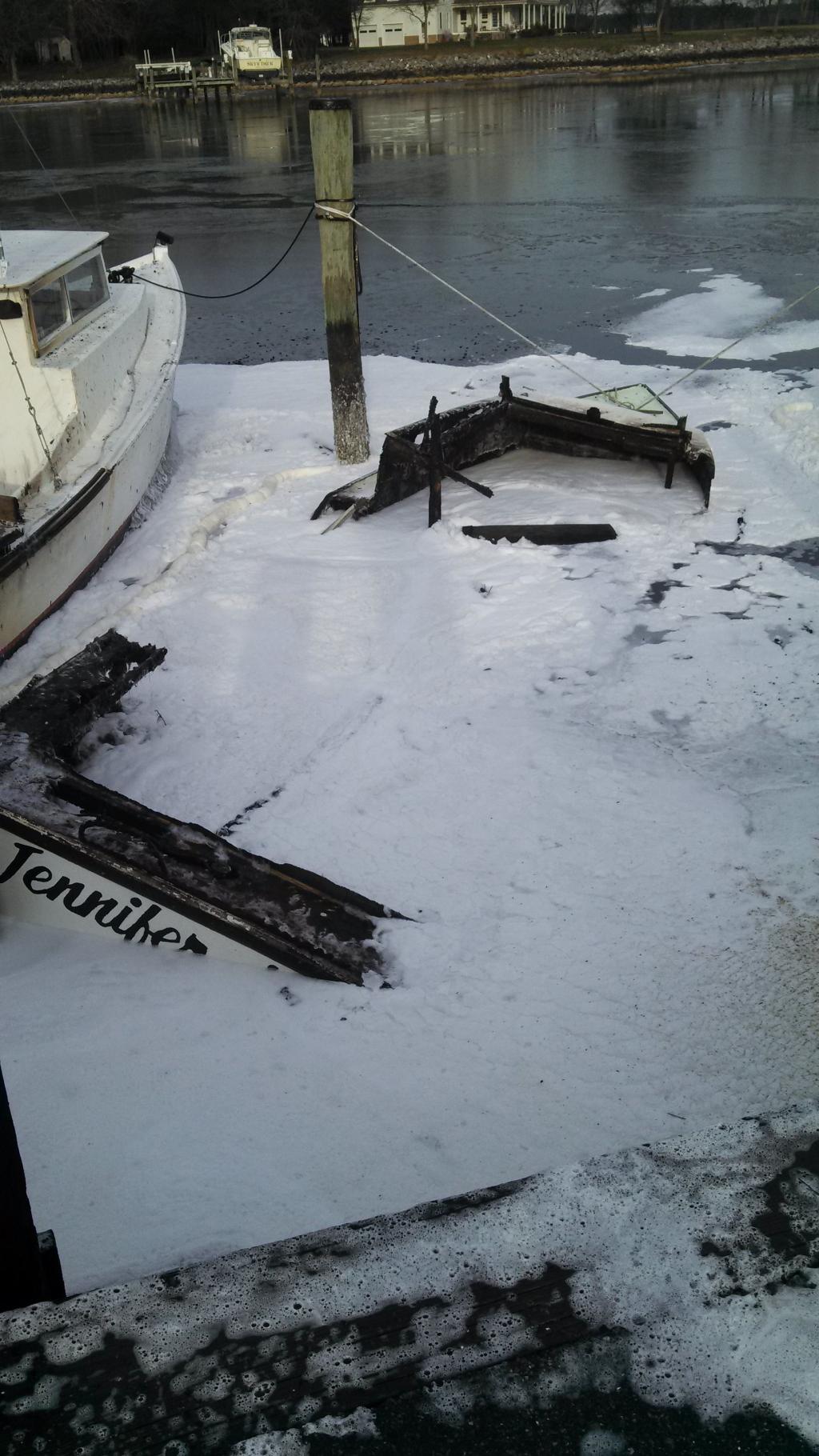
Burned Boat, Jennifer Lynn
Maryland Natural Resources Police officers investigated a boat fire in Talbot County and charged an Allegany County man with illegal hunting in two cases this week.
On Wednesday morning, officers responded to a report of a boat fire at the county dock in Neavitt. Read more…
Natural Resources Police Urges Ice Safety Awareness

Deep Creek Lake
The recent cold snap and this weekend’s snowstorm may combine to create deadly conditions on frozen lakes, ponds and streams, the Maryland Natural Resources Police warn. Read more…
Hunting Guide’s Death Ruled Accidental
A hunting guide killed last fall during an outing in Queen Anne’s County was the victim of an accidental shooting, a Maryland Natural Resources Police investigation has concluded. Read more…
Governor Hogan Pledges Millions for Bay Restoration and Land Conservation
Highest State Investment for Chesapeake Bay Trust Fund
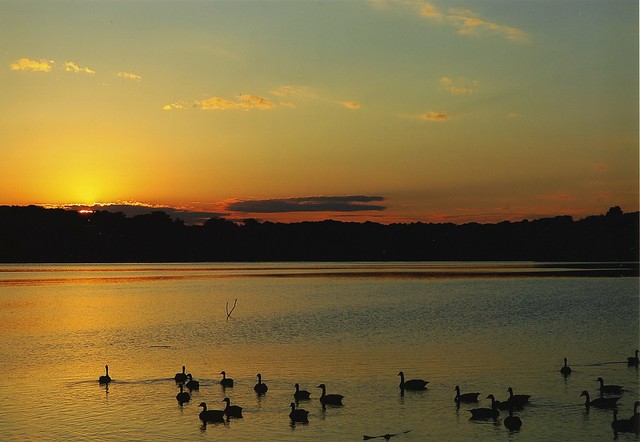
Governor Hogan today announced an investment of $53 million for the Chesapeake and Atlantic Coastal Bays Trust Fund and $60 million over two years for land acquisition and preservation programs.
This marks the first time in state history that revenue dedicated for Chesapeake Bay restoration was not diverted to the General Fund. In addition, the governor’s budget blueprint phases out planned financial transfers from land conservation and preservation programs, including Program Open Space. Read more…
Cunningham Falls State Park Receives $2,500 for Butterfly Garden
FirstEnergy Foundation Helping Maryland Protect Monarchs

L to R: Jacob Fisher, FirstEnergy; Gerald Harris, Friends of; James Sears, FirstEnergy; Ranger Alicia Norris; Charles Brewer, FirstEnergy.
The Friends of Cunningham Falls and Gambrill State Parks, Inc. was presented with a $2,500 check from the FirstEnergy Foundation to create pollinator meadows. The funds will help the Maryland Department of Natural Resources with ongoing efforts to increase available habitat for monarch butterflies and other pollinators on state lands. Read more…
Historic Property Conserved on the Lower Eastern Shore
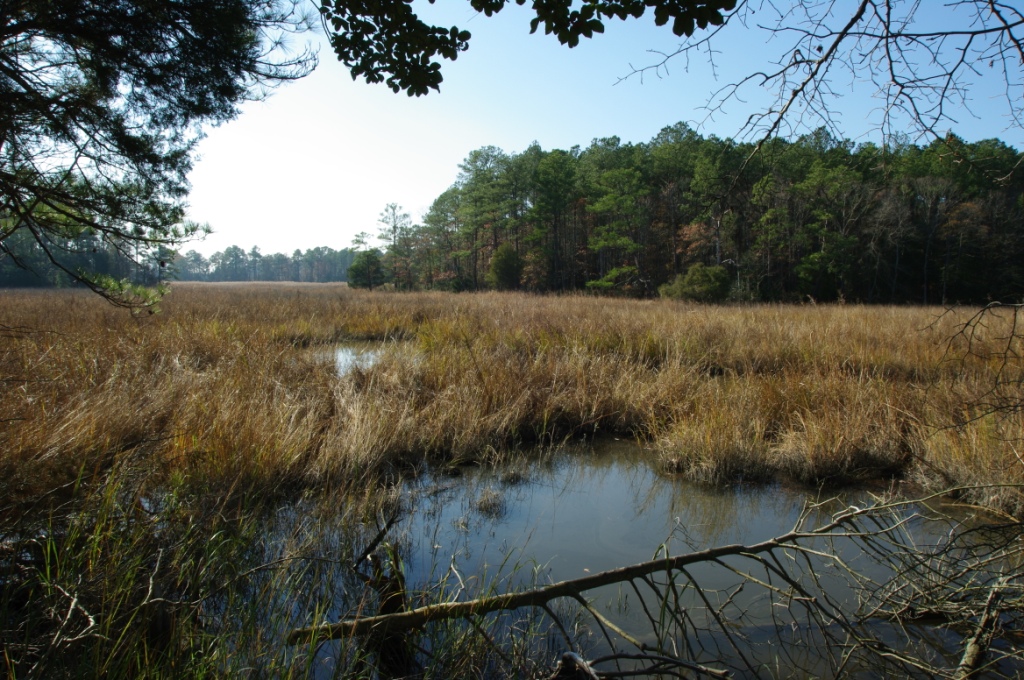 The Maryland Environmental Trust has conserved a 446-acre agricultural and woodland tract along the Wetipquin Creek near Quantico in Wicomico County. The owner of the property, Donald C. Graham, chose to work with the trust to permanently protect this ecologically and historically significant site. Read more…
A First: Oyster Poacher Faces Felony Theft Charges in Aquaculture Case

Joseph Franklin Sullivan
Maryland Natural Resources Police officers this week made three oyster poaching cases in southern Maryland and on the Eastern Shore—including Maryland’s first felony aquaculture theft case. Read more…
Man Charged with Aggravated Animal Cruelty in Death of Dog at State Park
A St. Mary’s County man was charged Tuesday with two counts of animal cruelty after he shot a dog and cut its throat at Newtowne Neck State Park on Christmas Day, the Maryland Natural Resources Police said. Read more…
Maryland Hosted Record 2,100 First Day Hikers
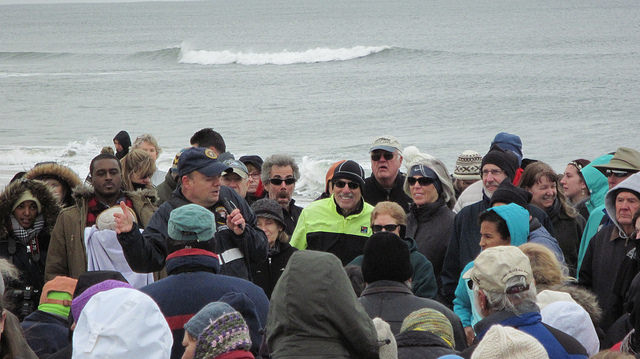
Assateague State Park had the most First Day Hike participants in Maryland.
Across Maryland, a record-breaking 2,177 people spent the first day of 2016 participating in a First Day Hike. A total of 30 guided hikes were held in 26 Maryland state parks, with participants logging a total of 4,531 miles. Maryland was one of the 50 states that hosted an outdoor adventure as part of the national First Day Hikes initiative, which encourages everyone to celebrate the outdoors on the first day of the new year.
Read more…
Winter Turkey Hunting Season to Open in Maryland
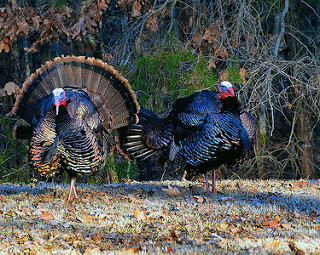
Strutting by Lori R. Bramble
Maryland’s winter turkey hunting season will be open Jan. 21-23 statewide. This season was established in 2015 to increase hunting opportunities. Hunters reported taking 108 turkeys in the first-ever winter season last year.
Read more…
Natural Resources Police Nabs Poacher, Investigates Tree Stand Fall
The Maryland Natural Police charged a Pennsylvania man with deer poaching in Montgomery County and investigated a tree stand fall on the Eastern Shore. Read more…
Maryland Announces New Schedule for Selecting Migratory Game Bird Hunting Seasons
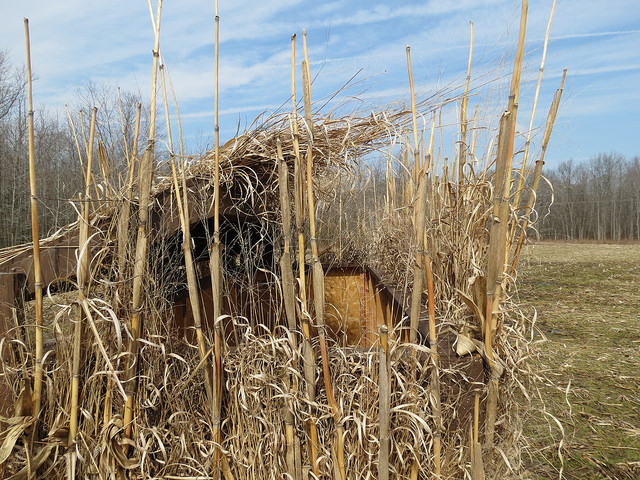
Blind at Millington Wildlife Mgt. Area
Beginning with the 2016-2017 hunting season, the Maryland Department of Natural Resources will be following a new schedule for selecting dates and bag limits for migratory game birds. The move was adopted to allow for more public comment and input, and to conform to the U.S. Fish and Wildlife Service’s schedule. Read more…
73 Acres in Prince George’s County Conserved
 A 73-acre woodland tract near Fort Washington has been permanently protected under a conservation easement between The Conservancy of Broad Creek and Maryland Environmental Trust. The Conservancy gifted the easement to the Trust to ensure it will remain untouched for future generations, helping protect the region’s rich history and beautiful lands. Read more…
Poachers Who Shot Deer Decoy Lose Hunting Privileges
Two poachers who picked on the wrong deer—a police decoy—had their hunting licenses suspended and their gear seized Thursday by a district judge in St. Mary’s County.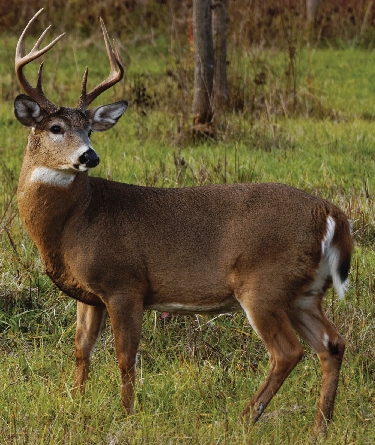
Read more…
Six Poachers Charged by Natural Resources Police
Six poachers were charged in three incidents on Jan. 2 by the Maryland Natural Resources Police. Read more…
Natural Resources Police Arrest Sex Offender, Charge Illegal Tree-Care Business
A convicted sex offender was arrested and an illegal tree-care business was charged in separate cases handled by the Maryland Natural Resources Police. Read more…
Natural Resources Police Nabs Seven Deer Poachers
Seven deer poachers were caught recently by Maryland Natural Resources Police officers in cases ranging from the Eastern Shore to western Maryland. Read more…
Maryland Firearm Deer Season Reopens January 8
Exclusive to Region B
The winter portion of the firearm deer season opens on Jan. 8 in Deer Management Region B. The season remains closed in Region A. Hunters who possess a valid Maryland hunting license or are exempt from license requirements may use firearms to harvest sika and white-tailed deer during this time.