
Maryland Army National Guard unit ministry teams complete sustainment training
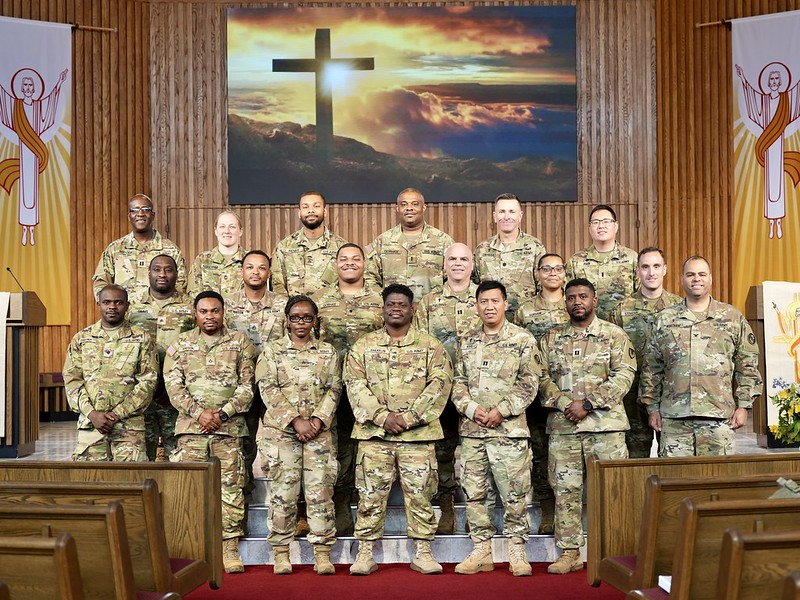
ARLINGTON, Va. – Nearly 20 Soldiers of the Maryland Army National Guard’s Chaplain Corps completed their annual sustainment training at the Fort Myer Memorial Chapel located at Joint Base Myer–Henderson Hall, May 22-23, 2025.
The unit ministry teams at the training, consisting of 10 chaplains and nine religious affairs specialists, received leadership development from the State Chaplain as well as the command priorities so the UMTs could execute accordingly. Leadership also evaluated the knowledge, skills, and abilities of the teams to identify any gaps in the approach of religious support provided to units and their families.
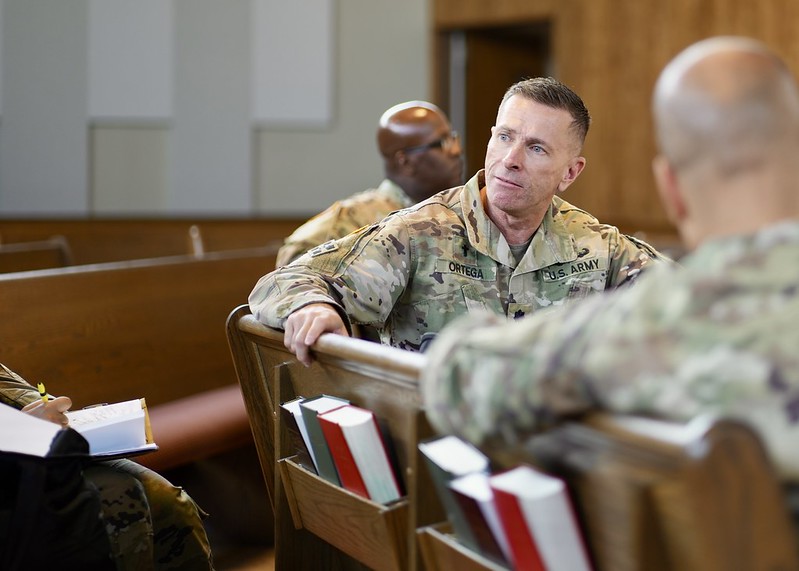
“UMTs take care of America’s most precious resource,” said Maryland Army National Guard Lt. Col. Matthew Ortega, the full-time chaplain assigned to Joint Force Headquarters. “People are bipartite beings, [meaning] they are both physical and spiritual. Our UMTs ensure that the souls of America’s sons and daughters are cared for and strengthened, so that they can be mission-ready and resilient should they be called upon to fight.”
Fort Myer Memorial Chapel was chosen as the venue due to its proximity to the National Guard Bureau. Sgt. Maj. Roy Sayward, religious affairs specialist sergeant major from NGB spoke to the group and was able to share insight with the Soldiers who are new to the career field. The Maryland Chaplain Corps also planned to visit Arlington Cemetery during the training, but it was cancelled due to inclement weather.
“The military has to fight and win the nation’s wars, which must be paid for with blood,” Maryland Army National Guard Col. Lonny Wortham, State Chaplain for the Maryland National Guard. “Our unit ministry teams must never forget that we are in some ways preparing Soldiers to pay the ultimate sacrifice. So we nurture them while they live, care for them when they are wounded and suffering, and honor them when they pass from death to life.”
The relatively small community of chaplains and religious support specialists spread across the force maintains connection through regular conference calls, but the in-person training allowed for encouragement and fellowship among the UMTs. Wortham said they support each other “by practicing the tenets of our faith.”
The Maryland Chaplain Corps has Protestant chaplains from five faith traditions in addition to an Episcopal chaplain, a Latter Day Saints chaplain candidate, and a Muslim Imam. They are ready to serve during promotions, retirements, funerals, and whatever challenge a Guard member may face while wearing the uniform. The annual training ensured the UMTs stay prepared.
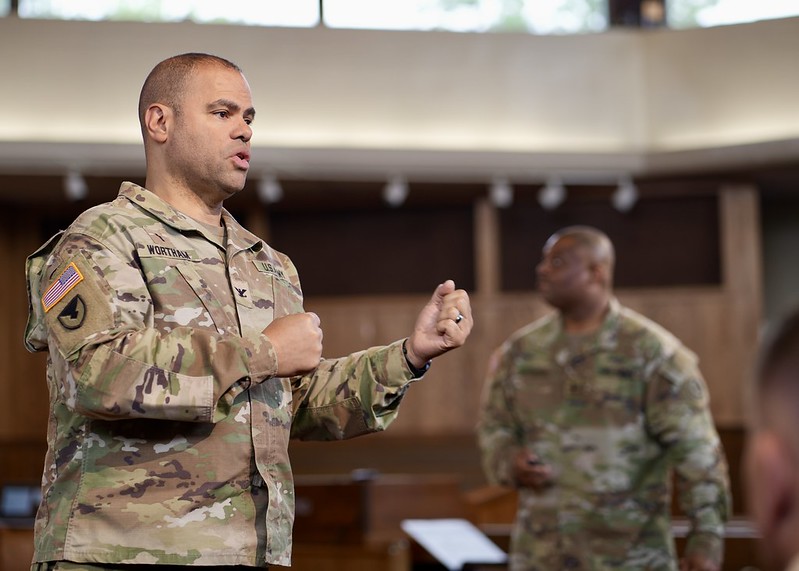
“I believe our focus on ethics and integrity was one of the more important conversations,” said Wortham. “Many Soldiers correlate high moral standards to their chaplain, so our corps must be above reproach and conduct ourselves with character and integrity.”
As one of the oldest branches of the Army, chaplains are unique as they are invested in the spiritual care of their unit’s Soldiers. George Washington understood the demands Soldiers face in conflict and recognized the importance of being spiritually fit when he established the Chaplain Corps. Chaplains also serve as advisers to the command, and they protect the religious freedoms of every Soldier.
During the training, UMTs shared information about new and existing programs they utilize within their units, including Building Strong & Ready Teams. BSRT is a command-directed, chaplain-led, community-partnered approach that strengthens spiritual readiness for Soldiers of all ranks and their families.

“I am most proud of our Chaplain Corps because we have a huge impact on unit readiness,” Maryland Army National Guard Master Sgt. Kim Kerschner, a senior religious affairs noncommissioned officer, who helped coordinate the training. “Many Soldiers come to the chaplain’s office to talk about personal issues. Extending a helping hand and having someone to talk to is vital, especially when a unit is preparing to mobilize. Being able to support and care for Soldiers in a time of need makes me proud of the work that we do, and we see results based on those actions.”