
MDEM Newsroom - Page 17 MDEM Newsroom
Winter Fire Safety Tips
January 11th, 2019
FIRE SAFETYDURING THE WINTER MONTHSREMINDER
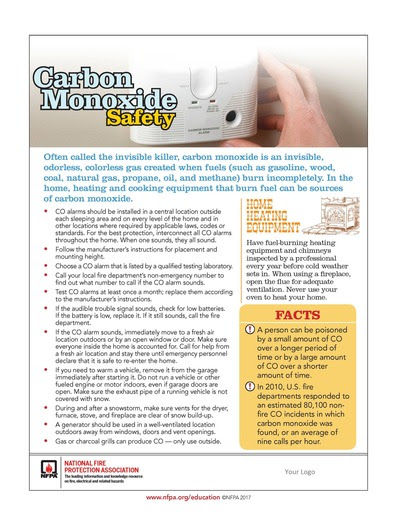
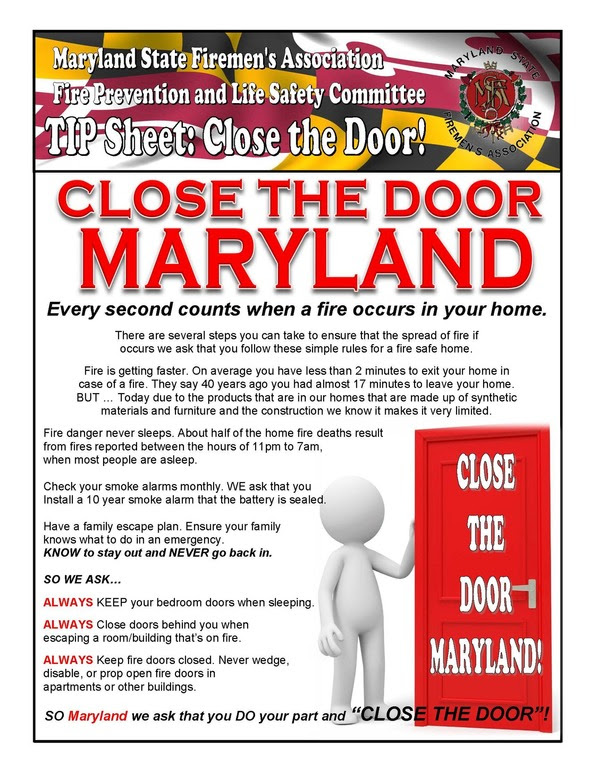
STATEWIDE SAFETY RELEASE (January 11, 2019) — AS OF TODAY, THERE HAVE BEEN SIX FIRE FATALITIES ACROSS THE STATE. The MAJORITY of those fatalities DID NOT HAVE WORKING SMOKE ALARMS in their homes. If you cannot afford a smoke alarm PLEASE contact your local fire department to inquire as to what assistance is available in your area. State Fire Marshal Brian S. Geraci reminds all residents of Maryland to check for fire safety where they live, work, attend classes, training and meetings. “Fire and life safety is everyone’s responsibility; by testing smoke alarms and CO detectors, keeping exits clear of obstructions, and maintaining fire alarms and fire sprinkler systems, we can all avoid injury or death from the effects of fire.” To ensure your best chances of surviving a fire, the State Fire Marshal offers the following tips on both escaping a fire and preventing one: Test smoke alarms and carbon monoxide detectors to ensure they are working properly. Remember, the effects of toxic smoke and gases can quickly overcome your ability to think clearly. Every second counts when escaping a fire. Also check the dates on your smoke alarms and carbon monoxide detectors, if they are 10 years old or older, they should be replaced. Check exits in both your home and any place you go to ensure you will be able to get to safety. Blocked exits resulting from improperly placed chairs, tables or even holiday decorations can result in the delay of getting out quickly and safely. Be vigilant of these safety concerns whether at church, school or your local favorite eatery. Ensure snow is removed from the outside of doors as well. When using portable non-vented fuel-fired heaters, such as kerosene heaters, make sure to use only the recommended fuel specified in the owner’s manual and NEVER use gasoline. Note: Portable kerosene heaters are banned for use in Baltimore City. If you find it necessary to use an electric space heater, use only one that has been approved by an authorized testing laboratory such as UL. Plug space heaters directly into an outlet. NEVER use an extension cord or power strip as they can easily overheat and cause a fire. Keep all portable space heaters at least three feet away from anything combustible. If heating equipment fails, do not use kitchen stoves or ovens to supply heat. These appliances are not designed for that purpose and the chance of a fire improves greatly. When using fireplaces, wood stoves or pellet stoves; please ensure these heat sources have been installed and properly serviced by trained technicians according to state and local codes, allowing them to work at peak efficiency and lower the risk of a catastrophic failure. Place ashes in a metal container with a lid. Please ensure you have the chimney cleaned and inspected before use. Never leave candles burning unattended. Extinguish the flame before leaving the room. Consider battery operated candles instead of flaming candles for safety. If a fire occurs inside your home, close the doors behind you as you vacate to the outside, call 911 and never go back inside the home. Tell arriving first responders if anyone is still inside.
|
 |
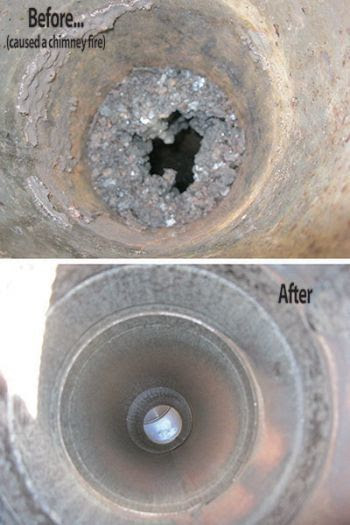 |
Have Chimneys Properly Cleaned.
The Office of the State Fire Marshal is an agency of the Department of State Police dedicated to helping protect citizens from fire and explosion through a comprehensive program of education, inspection, investigation and fire protection engineering. For more information on fire safety call 1-800-525-3124, log onto our website at: Maryland State Fire Marshal and/or our Facebook Page. |
1201 Reisterstown Road, Pikesville, MD 21208Having trouble viewing this email? View it as a Web page. https://content.govdelivery.com/accounts/MDFIRE/bulletins/227965f |
FirstNet – MEMA Spotlight
January 8th, 2019In May 2018, Washington County was impacted by significant flooding in the southern part of the county. With low bandwidth Wi-Fi and the location of the command post nestled in a valley between two mountains, communication and data transfer served as a great challenge. Washington County Sheriff Doug Mullendore coordinated with FirstNet to keep emergency responders connected by calling in the Satellite Cell on Light Truck (SatCOLT). FEMA, MEMA, local emergency responders, and county employees all utilized the connection offered by FirstNet…
<<Download and Read the Full Article: FirstNet – MEMA Spotlight (PDF)
Heavy rains expected across Maryland
December 20th, 2018FOR IMMEDIATE RELEASE
FLASH FLOOD WATCHES ISSUED
ACROSS MUCH OF MARYLAND
Follow local forecasts, use caution while traveling
REISTERSTOWN, MD (December 20, 2018) – More heavy rain is expected over much of Maryland during the next two days as the wettest year on record continues. The National Weather Service has issued a Flash Flood Watch for all of the state except extreme Western Maryland and parts of the lower Eastern Shore. “The rain has been relentless this year and late December appears to be no exception,” said Maryland Emergency Management Agency Executive Director Russ Strickland. “Even as we prepare for the upcoming holidays, take some time to follow local weather forecasts and remember to use common sense when travelling.” Because of heavy rains last week, many streams and rivers are running high and the ground is close to saturated, so flooding is possible. The National Weather Service is predicting one to two inches of rain across most of the state, with isolated pockets of three inches or more. As of now, the flood watches are in effect until late Friday night or early Saturday morning. Additionally, the National Weather Service predicts the rain could change to snow later Friday or early Saturday in extreme Western Maryland, with accumulating snow possible. If you plan to travel through those areas, please check local forecasts closely and delay travel if road conditions deteriorate. Remember to never drive through standing water and never drive around barriers set up to block water-covered roads. Turn Around, Don’t Drown. For more flood preparedness information, please visit www.mema.maryland.gov or www.ready.gov. For current weather forecast information, visit www.Weather.gov. |
FEMA, State Continue Building Resiliency in Maryland
November 30th, 2018|
FOR IMMEDIATE RELEASE
“Our administration recognizes the importance of preparedness in the event of an emergency,” said Governor Larry Hogan. “The Maryland Resilience Retreat is an opportunity to both learn and share best practices and knowledge surrounding effective emergency management. Being prepared is a shared responsibility, and Maryland will continue to embrace our leadership role as a national model for resiliency and security.” Emergency managers want Americans to understand that emergencies can happen at any time with little to no warning. Major events like hurricanes arrive with advance notice, and they bring along the potential for devastating effects. Conversely, flooding events, the most common disaster across the United States, can happen with no warning. “Across Maryland, we have seen the impacts of disasters on our communities,” stated Russ Strickland, Executive Director of MEMA. “Every incident is different and affects communities to varying extents. We want Marylanders and State officials to understand the risks of natural and human-caused disasters and to take steps to reduce those risks. This knowledge will help shape a resilient Maryland where communities thrive.” MEMA hosts information on individual preparedness, such as the Know Your Zone hurricane preparedness and evacuation awareness campaign, and all-hazard stakeholder-specific learning resources, at their website at mema.maryland.gov. Recent emergencies, such as the California wildfires and recent hurricane seasons, highlight the importance of building a culture of preparedness throughout the Nation. FEMA Administrator Brock Long, FEMA Region III Regional Administrator MaryAnn Tierney, and MEMA Executive Director Russ Strickland also met at MEMA to discuss resiliency in the State and the long-term recovery efforts of Maryland communities impacted by disasters. “Maryland’s communities are developing their culture of preparedness thanks to MEMA’s efforts and Maryland’s recognition that we must engage with the whole community to instill a true culture of preparedness,” stated MaryAnn Tierney, FEMA Region III Regional Administrator. “It starts with individuals – do you have insurance coverage or a plan for how you’ll recover? Do you know what you’ll do in an emergency? That expands to businesses, non-profits, and beyond. A true culture of preparedness starts at the bottom and works its way up.” This collaboration includes FEMA’s continuing support and engagement with the State in recovering from May 2018 flooding events across multiple Maryland jurisdictions. There are a wide variety of resources to help individuals, businesses, voluntary and non-profit organizations, and communities to prepare:
MEMA and FEMA continue to work together to help communities across Maryland prepare for potential disasters, whether they are personal emergencies, a flooding event across county lines, or a major hurricane. It takes all of us to prepare for these events and build a culture of preparedness across the State and the Nation. Developing resiliency and preparedness strategies now can make a tremendous difference in our ability to respond to future disasters. For more information on MEMA, please visit mema.maryland.gov. For more information on FEMA, please visit www.fema.gov. For more information on FEMA Region III, which covers the State of Maryland, please visit www.fema.gov/region-iii-dc-de-md-pa-va-wv. FEMA’s mission is helping people before, during, and after disasters. FEMA Region III’s jurisdiction includes Delaware, the District of Columbia, Maryland, Pennsylvania, Virginia and West Virginia. Stay informed of FEMA’s activities online: videos and podcasts are available at fema.gov/medialibrary and youtube.com/fema. Follow us on Twitter at twitter.com/femaregion3. |
 REISTERSTOWN, Md. (November 30, 2018) — The State of Maryland and the Federal Emergency Management Agency (FEMA) understand the importance of risk reduction and vulnerability identification before a disaster strikes. On November 29 – 30, 2018, the Maryland Emergency Management Agency (MEMA), FEMA, the United States Department of Energy, and the National Governors Association met with Maryland Governor Larry Hogan’s Executive Council at the Maryland Resilience Retreat. These partners came together to build an interdisciplinary understanding of resilience and identify how Maryland’s state agencies can leverage programs and relationships to reduce statewide risk and advance resilience.
With Winter Approaching, Thanksgiving is the Right Time to Prepare for Snow Storms and Cold Weather
November 22nd, 2018|
FOR IMMEDIATE RELEASE
|
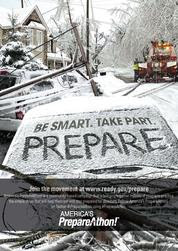 The Maryland Emergency Management Agency (MEMA) Offers Winter Preparedness Tips for this Holiday Season
SBA Opens Disaster Loan Outreach Center
October 25th, 2018
Center to Open Tomorrow, Thursday October 24, at 9:00 a.m. for residents affected by flooding August 31 – September 1, 2018.
REISTERSTOWN, Md. (October 24, 2018) – The U.S. Small Business Administration (SBA) announced today the opening of a SBA Disaster Loan Outreach Center (DLOC) at the Harford County Department of Emergency
Services. The center will open tomorrow, Thursday, October 25, at 9:00 a.m.
SBA Disaster Loan Outreach Center staff will be able to assist those residents in the Maryland counties of Baltimore, Carroll, Cecil and Harford impacted by the flooding that occurred from August 31 to September 1, 2018.
SBA representatives at the DLOC can provide information about disaster loans, answer questions, and assist in completing the SBA application. The Center is located at:
2220 Ady Road
Forest Hill, MD 21050
and will be open as follows:
Thursday, Oct. 25: 9 a.m. – 6:00 p.m.
Friday, Oct. 26: 9 a.m. – 6:00 p.m
Saturday, Oct. 27: 10 a.m. to 2 p.m.
Monday, Oct. 29: 9 a.m. – 4:00 p.m.
Those affected by the flooding may apply online using the Electronic Loan Application (ELA) via SBA’s secure website at https://disasterloan.sba.gov.
Businesses and individuals may also obtain information and loan applications by calling the SBA’s Customer Service Center at 1-800-659-2955 (1-800-877-8339 for the deaf and hard-of- hearing), or by emailing disastercustomerservice@sba.gov.
Loan applications can also be downloaded at https://www.sba.gov/Completed applications should be returned to the center or mailed to: U.S. Small Business Administration, Processing and Disbursement Center, 14925 Kingsport Road. Fort Worth, TX 76155.
The filing deadline to return applications for physical property damage is December 17, 2018. The
deadline to return economic injury applications is July 18, 2019.
About the U.S. Small Business Administration:
The U.S. Small Business Administration makes the American dream of business ownership a reality. As the only go-to resource and voice for small businesses backed by the strength of the federal government, the SBA empowers entrepreneurs and small business owners with the resources and support they need to start, grow or expand their businesses, or recover from a declared disaster. It delivers services through an extensive network of SBA field offices and partnerships with public and private organizations. To learn more, visit www.sba.gov.
Governor Larry Hogan Proclaims Maryland Safe Schools Week
October 24th, 2018Focus on School Safety Issues October 21-27 Raises Awareness, Encourages Student Engagement
ANNAPOLIS, Md. (October 24, 2018) – Governor Larry Hogan has signed an official proclamation designating October 21–27 as Maryland Safe Schools Week. The week is designed to raise awareness of school safety issues and initiatives at the local and state level.
“The safety and security of all Marylanders is our most important responsibility,” said Governor Hogan. “We encourage everyone to do their part and remain vigilant in protecting our kids and ensuring Maryland schools are places where students can learn free from threats of crime and violence. I urge students, parents, teachers, and community members to report any concerns about potential threats including substance abuse, gangs, bullying, cyberbullying, harassment, hate, and vandalism.”
During Maryland Safe Schools Week, Marylanders are encouraged to unite with school staff and their community and create a “family-like” culture at school advocating the power to stop bullying, cyberbullying, harassment, conflict, hate and violence while spreading empathy, compassion, and respect.
Earlier this month, Governor Hogan announced “Safe Schools Maryland,” a tip line and mobile app designed to streamline reporting of possible threats to students school facilities. Students, family members, parents, teachers, administrators, and other community members can anonymously report information to Safe Schools Maryland via a mobile app available for download through the Apple App Store or Google Play, online at www.SafeSchoolsMD.org, or by calling 1-833-MD-B-SAFE (1-833-632-7233). Trained Maryland Joint Operations Center (MJOC) personnel will respond to reports 24 hours a day, seven days a week, 365 days a year.
“‘The ‘Safe Schools Maryland’ app and tip line is an instrumental step in ensuring our children and our schools are protected, but it is not the only answer,” said Ed Clarke, Executive Director of the Maryland Center for School Safety. “Striving to solve the safety issues our schools face is a mission that involves all community members. It may require saying something to a school administrator, counselor, teacher, school resource officer or a trusted adult when something seems out of place or as easy as leaving a tip on the tip line app.”
The governor recently announced $10.6 million in funding available for local school systems to enhance school safety through training, safety assessments, information sharing, and more. The grants will flow through the Safe Schools Fund, which was created as part of the Maryland Safe to Learn Act of 2018, which Governor Hogan signed into law on April 10. The legislation includes key Hogan administration proposals, such as increased funding for the Maryland Center for School Safety, the creation of aggressive statewide standards for school safety and requirements for the standardized training and certification for all school resource officers. The remaining funds include $23.5 million to help schools improve the physical safety of school facilities and $2.5 million to conduct safety evaluations required by the legislation.
In addition to Maryland Safe Schools Week, it is also National School Bus Safety Week. The Maryland State Department of Education reminds everyone that school bus transportation plays a critical role in the education of Maryland students. It is a link between community and classroom. Bus safety tips to keep your child safe include:
- Have your children put everything they carry in a backpack or school bag so that they won’t drop things along the way.
- Arrive at the bus stop before it is due, ideally at least five minutes early.
- Walk young children to the bus stop or encourage children to walk in groups. There is safety in numbers; groups are easier for drivers to see.
- Practice good pedestrian behavior: walk on the sidewalk, and if there is no sidewalk stay out of the street. If you must walk in the street, walk single file, face traffic and stay as close to the edge of the road as you can.
- Stop and look left, right and then left again if you must cross the street. Do the same thing at driveways and alleys. Exaggerate your head turns and narrate your actions so your child knows you are looking left, right and left.
During this week, the Maryland Center for School Safety and the Maryland State Department of Education will be sending out safety tips and information. You can follow the Maryland Center for School Safety on Facebook or onTwitter at @SafeSchoolsMD. The Maryland State Department of Education also will be sending out information. They can be found on Facebook and Twitter at @MDPublicSchools.
Maryland Safe Schools Week Proclamation
Great Shakeout Earthquake Drill to Take Place on Thursday
October 16th, 2018MEMA Encourages All Maryland Residents To Participate
FOR IMMEDIATE RELEASE
(REISTERSTOWN, Md.) October 16, 2018 – Powerful earthquakes are not common in the Mid-Atlantic Region, but the August, 2011 tremor near Mineral, VA, reminded us that we are not immune from the effects of an earthquake. That is why the Maryland Emergency Management Agency (MEMA) is urging Marylanders to participate in Thursday’s Great ShakeOut Drill.
On October 18th at 10:18 a.m. local time, we ask that you join us when we drop, cover, and hold on for earthquake preparedness;
-
- DROP to the ground (before the earthquake drops you!),
- Take COVER by getting under a sturdy desk or table, and
- HOLD ON to it until the shaking stops.
MEMA is proud to join FEMA and the Ready Campaign PrepareAthon to promote earthquake preparedness this October and is encouraging everyone to take part in The Great ShakeOut Earthquake Drills occurring across the county on October 18th at 10:18 a.m.
“Strong earthquakes are not common in this area, but I am sure many of us remember where we were on August 23, 2011,” said MEMA Executive Director Russ Strickland. “That was a wake-up call for those of us in the Maryland area to learn what to do – and what not to do – during an earthquake.”
One of the most frightening and destructive phenomena of nature is a severe earthquake and its terrible after effects. Earthquakes can happen at any time of the year and at any time during the day. You could be at work, school, or at home. It is impossible to predict precisely when or where an earthquake will occur, so it is important that you and your family are prepared ahead of time.
A key aspect of the Great ShakeOut is the integration of comprehensive science-based earthquake research and the lessons learned from decades of social science research about why people get prepared. The result is a “teachable moment” on par with having an actual earthquake (often followed by increased interest in getting ready for earthquakes). ShakeOut creates the sense of urgency that is needed for people, organizations, and communities to get prepared, to practice what to do to be safe, and to learn what plans need to be improved.
More information can be found at Shakeout.org. Information on the different types of hazards is available at Ready.gov or the Spanish-language web site Listo.gov.
# # #
CONTACT:
Ed McDonough, 410-446-3333 or [email protected]
Jorge Castillo, 443-481-3518 or [email protected]
Governor Larry Hogan Announces ‘Safe Schools Maryland’ School Safety Initiative
October 4th, 2018Governor Larry Hogan Announces ‘Safe Schools Maryland’ School Safety Initiative
Launches New School Safety Tip Line and Mobile App For Reporting Threats
ANNAPOLIS, Md. (October 3, 2018) – Governor Larry Hogan today announced the launch of “Safe Schools Maryland,” a tip line and mobile app designed to streamline reporting of possible threats to students school facilities. The governor made the announcement at the Maryland Emergency Management Agency (MEMA) with student leaders, education officials, law enforcement leaders and others in attendance.
“Incidents of targeted violence at our schools are rarely sudden impulsive acts; instead, in the majority of these incidents, another person was aware of what the student was thinking or planning to do,” said Governor Hogan. “We must remain ever vigilant when it comes to protecting our kids, and we are counting on our local school communities, our students, teachers, and parents to work together with us in these important efforts.”
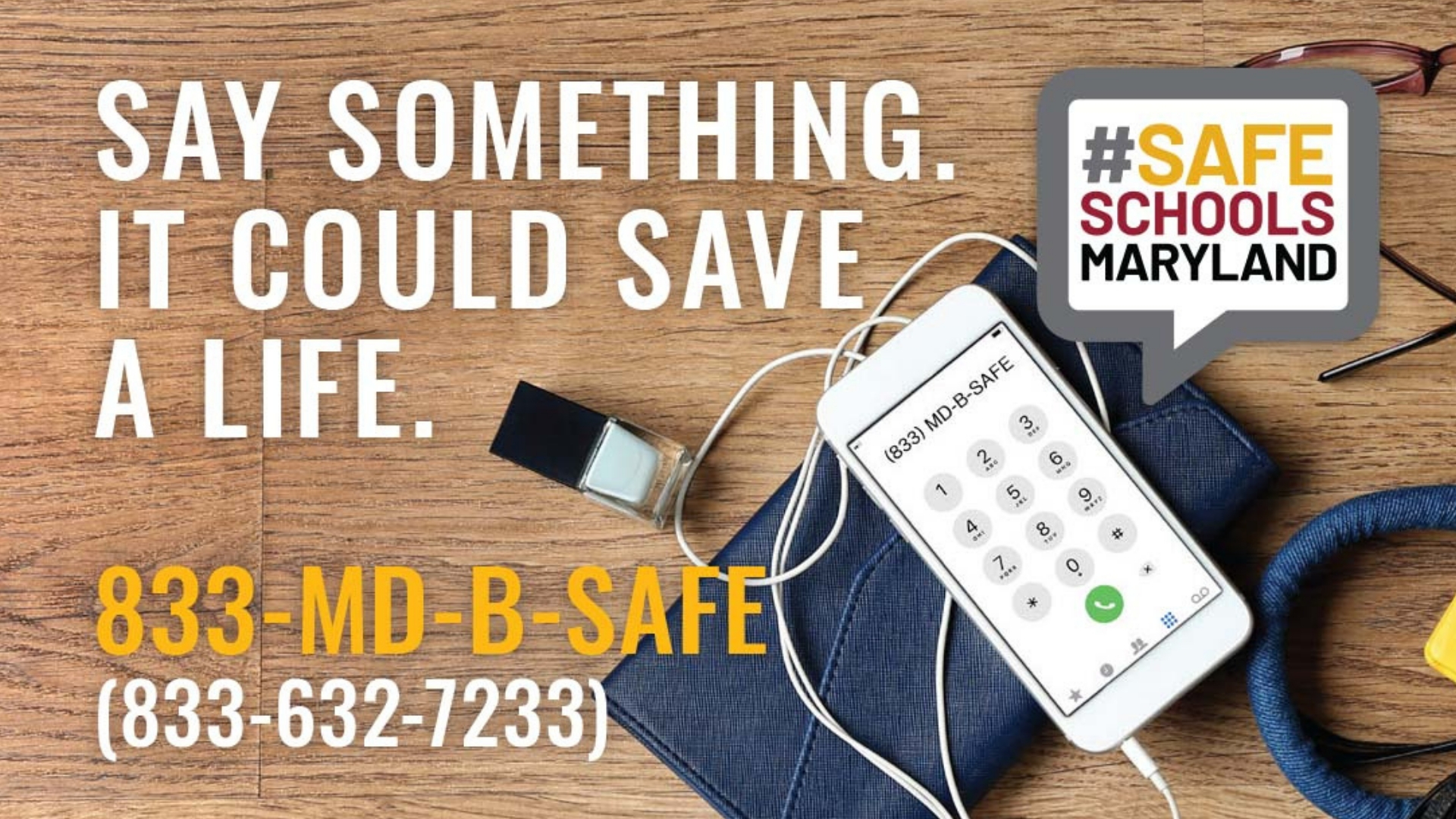
Students, family members, parents, teachers, administrators, and other community members can anonymously report information to Safe Schools Maryland via a mobile app available for download through the Apple App Store or Google Play, online at www.SafeSchoolsMD.org, or by calling 1-833-MD-B-SAFE (1-833-632-7233). Trained technicians will respond to reports 24 hours a day, seven days a week, 365 days a year.
The tip line staff will share incoming information with appropriate school system officials and staff; law enforcement personnel; fire, emergency, behavioral health, and medical staff; and other partners to help prevent violent or dangerous incidents at schools around the state and provide assistance to students in crisis. Students, parents, teachers, administrative staff, and others should be vigilant and report any activity that makes them feel uncomfortable, nervous, or frightened about the safety of their school, themselves, or others.
In many recent school violence incidents or threats, assailants have exhibited behavior that signaled a potential for violent activity or discussed such activity on social media. Some potential incidents around the country have been thwarted because alert students, parents, school staff, or others reported suspicious behaviors to appropriate authorities.
“Sadly, all too often students, choose to remain silent because they are afraid of retaliation, rejection, or stigmatization by their peers. The troubling result is a ‘code of silence’ in which students suffer harm that could have been prevented if another person had chosen to speak out. We need to empower our students to break that ‘code of silence’,” said Governor Hogan. “If they see unsafe situations or behavior, including threats made in person or on social media, bullying, or a friend who expresses the desire to hurt themselves or others, we need young Marylanders to say something and to do something without fear of retribution for coming forward.”
Governor Hogan has asked MEMA to coordinate the school safety tip line and mobile app in partnership with the Maryland Center for School Safety. MEMA has trained existing staff and is hiring new staff to ensure that tip line calls and reports are answered 24/7.
“We are honored that Governor Hogan has asked MEMA to coordinate the new safety initiative,” said MEMA Executive Director Russ Strickland. “This is aligned with MEMA’s mission to coordinate resources from multiple agencies and to be the authoritative source of 24-hour information gathering and dissemination. We are excited to take the lead to help our state, local, and non-government partners make Maryland schools safer as the field of emergency management broadens.”
As part of the announcement, education and public safety officials met with student leaders to discuss the tip line and other possible steps to reduce the likelihood of school violence. The students also had a chance to tour the MEMA facility and learn about MEMA, the State Emergency Operations Center, and The Maryland Joint Operations Center activities as we as actionable steps they can take to be well prepared in the event of an emergency. During their visit to MEMA, students received promotional posters that are also being distributed to schools electronically and will be available on the website, www.SafeSchoolsMD.org. Digital billboards throughout the state will begin displaying Safe Schools Maryland information starting today as part of the campaign launch.
The governor also announced that the Maryland State Department of Education (MSDE) was just awarded $3.6 million in federal school safety grants, which will supplement over $40 million in state funding provided in the Fiscal Year 2019 budget. A five-year, $2.6 million grant from the U.S. Department of Education will allow Maryland to implement the Maryland School Emergency Preparedness Program, a partnership between MSDE, local school systems, MEMA and local emergency managers. In addition, a three-year, $1 million grant from the U.S. Department of Justice will allow MSDE to implement a new violence prevention model in schools across the state.
“Learning simply cannot take place in a school where students and teachers don’t feel safe,” Dr. Karen Salmon, State Superintendent of Schools said. “These funds will help Maryland update and modernize emergency operations plans in schools throughout the state, and utilize state-of-the-art techniques to better identify potential threats to student safety.”
Earlier this year, Governor Hogan proposed and enacted landmark school safety legislation, expanding the work of the Maryland Center for School Safety, creating statewide school safety standards requiring standardized training and certification for school resource officers, and requiring each school system in Maryland to develop mental health assessment teams in order to identify students whose behavior may pose a threat to safety and provide interventions.
Federal Agencies to Conduct Test of Cell Phone and Broadcast Alert Systems
October 2nd, 2018Most Marylanders Will Receive Wireless Emergency Alert As Part Of Nationwide Communications Test On Oct. 3
REISTERSTOWN, MD (October 2, 2018)–Residents and visitors in Maryland – like those around the nation – will receive tests of the national cell phone and broadcast alert systems on Wednesday afternoon (Oct. 3). The Federal Emergency Management Agency (FEMA), in coordination with the Federal Communications Commission (FCC), will conduct a nationwide test of the Emergency Alert System (EAS) and Wireless Emergency Alerts (WEA).
The WEA portion of the test commences at 2:18 p.m. EDT, and the EAS portion follows at 2:20 p.m. EDT. The test will assess the operational readiness of the infrastructure for distribution of a national message and determine whether improvements are needed.
The Federal Government will be conducting this test; however, the state has the ability to use these systems to disseminate important messages in coordination with local emergency officials. During an AMBER Alert for a missing endangered child, for example, Maryland will disseminate the message after coordinating through appropriate law enforcement officials.
“The ability to communicate danger to the public in a timely fashion is crucial for saving lives,” said Maryland Emergency Management Agency Executive Director Russ Strickland. “Although the state is not involved in this test, we depend on the system to quickly communicate danger to the public.”
The EAS is a national public warning system that provides the President with the communications capability to address the nation during a national emergency. The test is made available to EAS participants (i.e., radio and television broadcasters, cable systems, satellite radio and television providers, and wireline video providers) and is scheduled to last approximately one minute. The test message will be similar to regular monthly EAS test messages with which the public is familiar. The EAS message will include a reference to the WEA test:
“THIS IS A TEST of the National Emergency Alert System. This system was developed by broadcast and cable operators in voluntary cooperation with the Federal Emergency Management Agency, the Federal Communications Commission, and local authorities to keep you informed in the event of an emergency. If this had been an actual emergency an official message would have followed the tone alert you heard at the start of this message. A similar wireless emergency alert test message has been sent to all cell phones nationwide. Some cell phones will receive the message; others will not. No action is required.”
The WEA test message will be sent to cell phones that are connected to wireless providers participating in WEA. This is the fourth EAS nationwide test and the first national WEA test. Previous EAS national tests were conducted in November 2011, September 2016, and September 2017 in collaboration with the FCC, broadcasters, and emergency management officials in recognition of FEMA’s National Preparedness Month.
Cell towers will broadcast the Oct. 3 WEA test for approximately 30 minutes beginning at 2:18 p.m. EDT. During this time, WEA compatible cell phones that are switched on, within range of an active cell tower, and whose wireless provider participates in WEA, should be capable of receiving the test message. Some cell phones will not receive the test message, and cell phones should only receive the message once. The WEA test message will have a header that reads “Presidential Alert” and text that says:
“THIS IS A TEST of the National Wireless Emergency Alert System. No action is needed.”
The WEA system is used to warn the public about dangerous weather, missing children, and other critical situations through alerts on cell phones. The national test will use the same special tone and vibration as with all WEA messages (i.e. Tornado Warning, AMBER Alert). Users cannot opt out of the WEA test.
The test was originally schedule for Thursday, Sept. 20, but the continuing federal response to Hurricane Florence resulted in postponing the test until Wednesday, October 3.
If you would like more information about this test, FEMA has provided responses to Frequently Asked Questions at: https://www.fema.gov/emergency-alert-test Any additional questions should be directed to: [email protected]