
Newsroom
Welcome to the Maryland Department of Agriculture (MDA) online Newsroom. We are dedicated to communicating with industry and consumers. We encourage you to visit the Newsroom for all the latest information about MDA including news releases, news features, images, videos and more.
Press Releases
- Funding Now Available for Fall Manure Transport and Injection Grants
- Celebrate Maryland Homegrown School Lunch Week from September 28 – October 2
- PUBLIC NOTICE: Unscheduled Mosquito Control Activity to Occur in Baltimore County and Cecil County on September 27
- PUBLIC NOTICE: Box Tree Moth Quarantine Expanded to Harford County
Meeting Notices
- State Soil Conservation Committee Meeting Notice
- Veterinary Technician Committee Meeting Notice
- Governor’s Intergovernmental Commission for Agriculture Meeting
- Invasive Plant Advisory Committee (IPAC) Meeting Notice
MDA Blog
- Preliminary Testing Confirms Highly Pathogenic Avian Influenza in Queen Anne’s County
- MDA Honors Third Quarter Employee
- Maryland Department of Agriculture Honors Employees with Long Service Awards
Newsroom
October 6, 2026
State Soil Conservation Committee Meeting Notice
ANNAPOLIS, MD – The State Soil Conservation Committee will meet on Thursday, October 15, 2026, from 9:30 a.m.– noon at the USDA-NRCS/FSA Maryland State Office, 2629 Riva Road, Suite 102, Annapolis, MD 21401. A virtual attendance option is available. The meeting is open to the public and will focus on soil conservation and water quality programs.
For those interested in attending the meeting virtually, please contact Loretta Collins, Executive Secretary for the State Soil Conservation Committee, at [email protected] for call-in information. Established in 1937, the State Soil Conservation Committee coordinates the activities of Maryland’s 23 soil conservation districts, while advising the Secretary of Agriculture on matters relating to soil and water conservation.
October 2, 2026
Veterinary Technician Committee Meeting Notice
Annapolis, MD – The Veterinary Technician Committee will meet on October 8th, 2026, at 7 pm. The Meeting will be held virtually. Agenda items include licensing and VTNE application reviews. For more information, please call 410-841-5862 or email [email protected].
October 1, 2026
Governor’s Intergovernmental Commission for Agriculture Meeting
There will be a Governor’s Intergovernmental Commission for Agriculture Meeting on November 30, 2026, from 1- 3 p.m. For more information, please contact Allie Cavanagh at [email protected].
September 30, 2026
Funding Now Available for Fall Manure Transport and Injection Grants
ANNAPOLIS, MD (September 30, 2026) – Cost-share funding is available to assist farmers in covering expenses related to the transport of any type of manure to fall crop fields with acceptable soil phosphorus levels. These grants also cover expenses associated with the injection of liquid manure into the soil to help prevent nutrient runoff and reduce odors.
To be eligible for reimbursement, all fall manure transport and injection projects must be completed by December 15, 2026 and payment claims for livestock/dairy manure transport and injection must be received by the Maryland Department of Agriculture’s (MDA) Conservation Grants Program by January 15, 2027. Poultry claims are due within 40 days of final transport.
This fall, there are new requirements for Fast Track Livestock applications. Organic nutrient recommendations from the receiving farm’s Nutrient Management Plan must be included within the application package. Only submit the pages of the Nutrient Management Plan that pertain to the fields listed in the application and not the entire plan itself.
Here are some additional program highlights and details:
- Farmers can receive up to $28 per ton to transport poultry manure to qualifying fields with acceptable soil phosphorus levels or for alternative use projects that can safely utilize the product.
- Farmers who plan to transport dairy and livestock manure to qualifying fields can receive up to 87.5% in cost share funding.
- FastTrack and standard transport options are available for both poultry and dairy/livestock manure.
- Farmers can receive up to $45 per acre for costs associated with injecting liquid manure into the soil. Please note that poultry manure is not eligible for this option due to its low moisture content.
Farmers may apply for the Haul Now, Apply Later FastTrack option for poultry and dairy/livestock manure by downloading the corresponding application directly from the Manure Transport Program website. Producers that do not qualify for the FastTrack option may still apply for standard manure transport grants. These grants require pre-approval before any manure is transported or injected. Contact your local Soil Conservation District to apply for our standard manure transport grants.
MDA’s Conservation Grants Program administers manure transport and injection grants. Applicants must be in good standing with the program and in compliance with Maryland’s nutrient management regulations. Need help finding a poultry manure source? A listing of poultry manure brokers can be located on MDA’s Manure Transport Program website.
For more information, please contact the Manure Management Program at 410-841-5864.
# # #
September 28, 2026
Maryland State Board of Veterinary Medical Examiners
Annapolis, MD – The Maryland State Board of Veterinary Medical Examiners will meet on October 2nd, 2026, at 10:30 a.m. The meeting will be held virtually. Agenda items include general board business, license approvals, sanitation reports, CE approval requests, and a review of general inquiries submitted to the Board. For more information, please contact the Board’s Executive Director, Nathaniel Boan at 410-841-5862. or [email protected].
Celebrate Maryland Homegrown School Lunch Week from September 28 – October 2
ANNAPOLIS, MD (September 28, 2026) – Governor Wes Moore has declared September 28 – October 2, 2026 as Maryland Homegrown School Lunch Week! This annual celebration encourages school districts across Maryland to include local food in their school lunches and celebrate the farmers and watermen that help feed our state.
Maryland Homegrown School Lunch Week is just one part of the Maryland Farm to School Program, which is administered by the Maryland Department of Agriculture (MDA) and the Maryland State Department of Education (MSDE). It aims to bring locally-produced foods into schools, provide hands-on experimental learning to students and integrate food-related education into curriculum while promoting the benefits of local, nutritious food.
“Homegrown School Lunch Week is about more than putting local foods on our students’ lunch trays. It helps them understand where that food is coming from and introduces them to the farmers and watermen that produce it,” said Maryland Secretary of Agriculture Kevin Atticks. “When students taste a locally grown apple, learn how milk gets from a dairy farm into their milk carton or meet the people behind their food, we build a connection to Maryland agriculture that can last a lifetime. Those experiences help create informed consumers who understand the value of buying local and supporting the agricultural community that feeds our state.”
“Maryland’s Homegrown School Lunch Week reflects our commitment to meals that support students’ health and learning while maintaining community connections,” said Maryland State Superintendent of Schools Dr. Carey M. Wright. “Fresh, Maryland-grown ingredients in school meals provide a deeper understanding of local farmers and producers. I am proud of the partnerships across our state that help bring local foods into our schools, and I appreciate the school nutrition teams whose dedication fuels student success.”
Maryland Homegrown School Lunch Week kicked off with a special event at Ruth Ann Monroe Primary School in Hagerstown, Maryland on September 28, 2026. Students participated in over 10 different hands-on activities, sampled local foods and enjoyed a reading of The Dog Who Saved the Bees, with each student receiving a copy of the book to take home. The event was held in partnership with MDA, MSDE, Washington County Public Schools Food & Nutrition Services, Washington County Public Schools Career and Technical Education, American Dairy Northeast, Maryland Agricultural Education Foundation and Ruth Ann Monroe Primary School.
“Farming and agriculture is a rich part of our community’s heritage and our local economy, so Maryland Homegrown School Lunch Week is especially meaningful for us across Washington County Public Schools,” said Washington County Public Schools Superintendent Dr. Gary Willow. “Our Food and Nutrition Services team places great care in serving nutritious meals to students every day. This week in particular provides an opportunity to help students better understand the connection between the food on their trays and the people who grow it.”
“To me, farm-to-table means ensuring that every child, regardless of their background, can enjoy fresh, healthy food and know where it comes from,” said Ruth Ann Monroe Primary School Principal Jamie Hade. “We are proud to celebrate our local farmers while creating experiences that support the well-being of our students. A majority of our students rely on school meals, so it’s critical that they have nutritious options. Every fresh meal from our cafeteria contributes to their health, learning and success well beyond their time with us at Ruth Ann Monroe Primary School.”
Participating farms and activity partners included Clear Spring Middle & High School Future Farmers of America (FFA), Hancock Middle & High School FFA, Boonsboro Middle & High School FFA, Smithsburg High School FFA, North Hagerstown High School Culinary Program, Washington County Health Department, Washington County Business and Economic Development, Rinehart Orchards, Dairy Maid Dairy, Moon Valley Farm and Hoffman’s Meats.
Throughout the week, Washington County Public Schools Food & Nutrition Services will feature Maryland-grown and produced foods at schools throughout the county, including all-beef hot dogs from Hoffman Meats, fresh apples from Rinehart Orchards and salad mix from District Farms.
School districts across the state will also participate in Maryland Homegrown School Lunch Week by providing students with locally-sourced school meals and educational materials. Some activities will include:
Calvert County Public Schools
- September 30: Schools will feature locally-sourced menu items, including ground beef from Battle Creek Beef and romaine lettuce from Ben’s Creek Produce. Students at Dowell Elementary will enjoy lunch that includes corn on the cob from Swann Farms while learning about seeds, planting, crops and farm animals from local farmers and agricultural service providers, including Milling Ritter Meat and Wood Farms, University of Maryland Extension, College of Southern Maryland and Calvert Soil Conservation District.
Caroline County Public Schools
- September 30: The University of Maryland Extension will host Ag Career Day for 8th graders, which will include tastings from local farmers. Maryland Secretary of Agriculture Kevin Atticks will kick-off the day.
- October 2: Preston Elementary School will feature a locally-sourced school lunch featuring blue catfish cakes and a Maryland Crab Soup competition courtesy of school cafeteria staff.
Carroll County Public Schools
- September 28-October 2: The 40 institutions that make up Carroll County Public Schools will enjoy watermelon, corn, tomatoes and apples from Baugher’s Orchards and Farms; green squash and potatoes from Wike Family Farm; and yellow squash and cucumbers from Moon Valley Farm.
- October 2: All schools will enjoy a roasted vegetable flatbread pizza for lunch.
Frederick County Public Schools
- September 28-October 2: Frederick County Public Schools will focus the week on their rural schools, including Centerville Elementary, Carroll Manor Elementary, Emmitsburg Elementary, Liberty Elementary and Woodsboro Elementary. Students will have the opportunity to taste rainbow carrot coins from Moon Valley Farm, highlighting a fresh and colorful vegetable option during school lunch.
Garrett County Public Schools
- Thanks to Appalachia Farm and Food Alliance, with funding from a U.S. Department of Agriculture Farm to School grant, students at Garrett County Public Schools will have a local Maryland product on their school lunch menu each week during the year as part of “Maryland Mondays.”
Harford County Public Schools
- October 2: Harford County Public Schools will offer corn on the cob courtesy of Jones Family Farm, who along with growing and harvesting the corn, graciously shucked it. Thanks to this partnership, students will enjoy this local favorite countywide.
- Throughout the fall, while supplies last, students will have the opportunity to enjoy apples from Shaw Orchards. Additionally, students regularly enjoy fresh lettuce from District Farms in Frederick throughout the year. This product is sourced from a partnership with Moon Valley Farm in Woodsboro.
Montgomery County Public Schools
- September 28-October 2: Montgomery County Public Schools will enjoy local apples and grape tomatoes from Moon Valley Farm, local spring mix from District Farms and Maryland-made cinnamon rolls from Hadley Farms.
- October 7: Maryland Secretary of Agriculture Kevin Atticks, Montgomery County Public Schools Superintendent Dr. Thomas Taylor and Board of Education representatives will join students from Dr. Martin Luther King, Jr. Middle School for a blue catfish lunch.
St. Mary’s County Public Schools
- October 2: Ridge Elementary School will feature outdoor learning activities, while serving local beef burgers from Trossbach Family Meats and local watermelon and corn shucked by 5th graders.
- October 7: Lexington Park Elementary School will feature outdoor learning activities, serving local beef burgers from Trossbach Family Meats and local watermelon and corn shucked by 5th graders.
- October 13: Captain Walter Francis Duke Elementary School will feature outdoor learning activities, while serving local beef burgers from Part Green Hill Farm and local watermelon and corn shucked by 5th graders.
Wicomico County Public Schools
- October 30: Wicomico County Public Schools will celebrate “Local Food Day” and serve blue catfish entrees, Sloppy Joes made with local ground beef, local red cabbage, hydroponic lettuce and apples.
According to the 2022–23 U.S. Department of Agriculture Farm to School Census, more than 85% of Maryland school authorities participated in Farm to School activities, reaching 971 schools and 585,877 students with opportunities to learn about local foods. Many school authorities also serve local foods weekly with milk, fruits and vegetables among the most commonly offered.
The Maryland Farm to School website offers educational materials, including Harvest of the Month posters, produce seasonality charts, information on where to find local products and many more resources for parents, teachers and food service providers. The MSDE Office of School and Community Nutrition Programs, in collaboration with the University of Maryland Extension SNAP-Ed Program and Maryland Agricultural Education Foundation, developed “Exploring Maryland Food,” a five module curriculum geared toward elementary school students and containing a teachers’ guide, activities and videos.
For more information on Maryland’s school meal programs, please visit the MSDE website. Any questions related to Maryland Homegrown School Lunch Week may be directed to MDA Farm to School Program Director Karen Fedor at [email protected] or (410) 841-5773.
###
Follow Maryland Farm to School on X @MdFarm2School
Follow MSDE on X @MDPublicSchools and Instagram @MDPublicSchools
September 25, 2026
PUBLIC NOTICE: Unscheduled Mosquito Control Activity to Occur in Baltimore County and Cecil County on September 27
ANNAPOLIS, MD (September 25, 2026) – The Maryland Department of Agriculture (MDA), in cooperation with the Baltimore County Health Department and the Cecil County Health Department, will expand mosquito control services in areas due to a public health concern over the potential for mosquito-borne diseases.
- Ultra-Low Volume truck-based spraying to control adult mosquitoes is planned for the evening of Sunday, September 27, 2026 in Chesapeake City, covering the radius between Court House Point Road to Route 310 to Town Point Road to Short Cut Road.
- Ultra-Low Volume truck-based spraying to control adult mosquitoes is planned for the evening of Sunday, September 27, 2026 in Nottingham, covering the radius from Hartford Road to Oak White Road to Magledt Road and back to Harford Road.
Spraying will occur after 7:30 p.m. ET in both locations. In the event of inclement weather, spraying will be rescheduled for Monday, September 28, 2026. Any existing spray exemptions in the area will be temporarily suspended.
MDA Mosquito Control Program personnel will use a permethrin-based solution that the U.S. Environmental Protection Agency has approved for use in public health mosquito control programs without posing unreasonable risks to human health. However, out of an abundance of caution, MDA recommends avoiding outdoor activities during spraying.
While not all mosquitoes carry diseases, MDA suggests that residents take precautions to minimize their exposure to mosquito bites. These measures include:
- Wear long, loose fitting, light colored clothing.
- Wear insect repellents according to product labels.
- Avoid mosquito infested areas during prime periods of activity (between dusk and dawn).
- Install, inspect, and repair window and door screens in homes and stables.
- Regularly clean bird baths and bowls for pet food and water.
- Remove or empty all water-holding containers.
Routine spray program schedules are available by county on the program’s website. Please contact MDA’s Mosquito Control Program with any questions or concerns at (410) 841-5870.
# # #
September 24, 2026
PUBLIC NOTICE: Box Tree Moth Quarantine Expanded to Harford County
ANNAPOLIS, MD (September 24, 2026) – Effective today, September 24, the Maryland Department of Agriculture (MDA) and the U.S. Department of Agriculture Animal and Plant Health Inspection Service have expanded the box tree moth (Cydalima perspectalis) quarantine into Harford County. The quarantine will restrict the movement of regulated articles within the confined area.
There are now nine Maryland counties under box tree moth quarantine. In March 2026, a quarantine order was put into place for Allegany, Frederick, Garrett and Washington counties due to their proximity to nearby states with established box tree moth populations and a confirmed positive recorded in Washington County. In August 2026, the box tree moth quarantine was expanded into Caroline, Cecil, Kent and Queen Anne’s counties. At that time, the box tree moth had not yet been observed in Kent County, but its presence has now been confirmed.
Businesses that grow and ship boxwoods are required to have a certificate of inspection and complete a compliance agreement with MDA to move regulated items into or from the quarantine zone. Nursery owners and residents within the quarantine zone are encouraged to monitor their boxwoods and implement safeguards to limit pest risk. Early detection is key to preventing significant damage and loss, as well as the spread of the box tree moth.
The box tree moth is a federally regulated insect that is native to East Asia. It was first identified in the United States in 2021 after being confirmed in New York and has rapidly spread to Delaware, Massachusetts, Michigan, New Jersey, Ohio, Pennsylvania, Virginia and West Virginia. Caterpillars are lime green with thin black stripes and can be difficult to spot when small. Full grown caterpillars can grow up to 1.5 inches. Adult box tree moths have white wings with a brown border. They are generally active at night and may be hard to detect.
The insect poses a major threat to the region’s nursery industries as it feeds primarily on boxwoods, an important ornamental shrub used in landscaping. Early infestations are often hard to detect as the molting caterpillars generally feed on the underside of the leaves, and multiple generations can live off the shrub as the box tree moth has a short development time. This intensive feeding limits shrub recovery, and once it is fully defoliated, or cleared of leaves, the caterpillars will eat the bark, cutting off its supply of water and nutrients, a process called girdling. This will fully kill the shrub.
What You Can Do
- Monitor boxwoods in your landscape, looking for signs of defoliation, stripped back and/or caterpillar webs. (Note: Ensure webbing is from caterpillars and not from spiders. Caterpillar webbing will be very noticeable.)
- If you suspect the presence of box tree moths, report it to MDA through this online form
- Allow state and/or federal agricultural officials to inspect your boxwood plants to place detection traps.
- Prune out localized infestations and cut the tree down to its base, or completely remove the infected shrubs.
- Any infested shrub material should be double bagged and placed in the trash so the moths do not escape.
For more information on how to treat this pest, please visit the University of Maryland Home and Garden Information Center or MDA’s website. For any questions, please email [email protected].
# # #
September 18, 2026
PUBLIC NOTICE: Unscheduled Mosquito Control Activity to Occur in Baltimore County and Prince George’s County on September 20
ANNAPOLIS, MD (September 18, 2026) – The Maryland Department of Agriculture (MDA), in cooperation with the Baltimore County Health Department and the Prince George’s County Health Department, will expand mosquito control services in areas due to a public health concern over the potential for mosquito-borne diseases.
- Ultra-Low Volume truck-based spraying to control adult mosquitoes is planned for the evening of Sunday, September 20, 2026 in Nottingham, covering the radius from Hartford Road to Oak White Road to Magledt Road and back to Harford Road (please see the below map).

- Ultra-Low Volume truck-based spraying to control adult mosquitoes is planned for the evening of Sunday, September 20, 2026 in Laurel, covering the radius from Montgomery Street to Baltimore-Washington Boulevard to Nest Court to First Baptist Lane (please see the map here).
Spraying will occur after 9:00 p.m. ET in both locations. In the event of inclement weather, spraying will be rescheduled for Monday, September 21, 2026. Any existing spray exemptions in the area will be temporarily suspended.
MDA Mosquito Control Program personnel will use a permethrin-based solution that the U.S. Environmental Protection Agency has approved for use in public health mosquito control programs without posing unreasonable risks to human health. However, out of an abundance of caution, MDA recommends avoiding outdoor activities during spraying.
While not all mosquitoes carry diseases, MDA suggests that residents take precautions to minimize their exposure to mosquito bites. These measures include:
- Wear long, loose fitting, light colored clothing.
- Wear insect repellents according to product labels.
- Avoid mosquito infested areas during prime periods of activity (between dusk and dawn).
- Install, inspect, and repair window and door screens in homes and stables.
- Regularly clean bird baths and bowls for pet food and water.
- Remove or empty all water-holding containers.
Routine spray program schedules are available by county on the program’s website. Please contact MDA’s Mosquito Control Program with any questions or concerns at (410) 841-5870.
# # #
September 16, 2026
PUBLIC NOTICE: Unscheduled Mosquito Control Activity in Prince George’s County Planned for September 17
ANNAPOLIS, MD (September 16, 2026) – The Maryland Department of Agriculture (MDA), in cooperation with the Prince George’s County Health Department, will expand mosquito control services in areas due to a public health concern over the potential for mosquito-borne diseases.
Ultra-Low Volume truck-based spraying to control adult mosquitoes is planned for the evening of Thursday, September 17, 2026 along Race Track Road in Bowie and the Lincoln Vista community of Lanham.
Spraying will occur after 9:00 p.m. ET. In the event of inclement weather, spraying will be rescheduled for Friday, September 18, 2026. Any existing spray exemptions in the area will be temporarily suspended.
MDA Mosquito Control Program personnel will use a permethrin-based solution that the U.S. Environmental Protection Agency has approved for use in public health mosquito control programs without posing unreasonable risks to human health. However, out of an abundance of caution, MDA recommends avoiding outdoor activities during spraying.
While not all mosquitoes carry diseases, MDA suggests that residents take precautions to minimize their exposure to mosquito bites. These measures include:
- Wear long, loose fitting, light colored clothing.
- Wear insect repellents according to product labels.
- Avoid mosquito infested areas during prime periods of activity (between dusk and dawn).
- Install, inspect, and repair window and door screens in homes and stables.
- Regularly clean bird baths and bowls for pet food and water.
- Remove or empty all water-holding containers.
Routine spray program schedules are available by county on the program’s website. Please contact MDA’s Mosquito Control Program with any questions or concerns at (410) 841-5870.
# # #
September 15, 2026
PUBLIC NOTICE: Unscheduled Mosquito Control Activity in Prince George’s County Planned for September 16
ANNAPOLIS, MD (September 15, 2026) – The Maryland Department of Agriculture (MDA), in cooperation with the Prince George’s County Health Department, will expand mosquito control services in areas due to a public health concern over the potential for mosquito-borne diseases.
Ultra-Low Volume (ULV) truck-based spraying to control adult mosquitoes is planned for the evening of Wednesday, September 16, 2026 in the Huntington and Kenilworth neighborhoods of Bowie and the Clinton View community of Temple Hills.
Spraying will occur after 9:00 p.m. ET. In the event of inclement weather, spraying will be rescheduled for Thursday, September 17, 2026. Any existing spray exemptions in the area will be temporarily suspended.
MDA Mosquito Control Program personnel will use a permethrin-based solution that the U.S. Environmental Protection Agency has approved for use in public health mosquito control programs without posing unreasonable risks to human health. However, out of an abundance of caution, MDA recommends avoiding outdoor activities during spraying.
While not all mosquitoes carry diseases, MDA suggests that residents take precautions to minimize their exposure to mosquito bites. These measures include:
- Wear long, loose fitting, light colored clothing.
- Wear insect repellents according to product labels.
- Avoid mosquito infested areas during prime periods of activity (between dusk and dawn).
- Install, inspect, and repair window and door screens in homes and stables.
- Regularly clean bird baths and bowls for pet food and water.
- Remove or empty all water-holding containers.
Routine spray program schedules are available by county on the program’s website. Please contact MDA’s Mosquito Control Program with any questions or concerns at (410) 841-5870.
# # #
PUBLIC NOTICE: Maryland Department of Agriculture to Treat Regions of Dorchester County for Mosquitos through Aerial Spraying on September 15
ANNAPOLIS, MD (September 15, 2026) – The Maryland Department of Agriculture (MDA) will treat a targeted area of Dorchester County to reduce the adult mosquito population in the region. Treatment is scheduled to occur via aerial spraying the evening of Tuesday, September 15, 2026. In the case of inclement weather, spraying will take place the following evening of Wednesday, September 16, 2026.
The following areas of Dorchester County will be treated: Andrews, Bishops Head, Black Water, Crapo, Crocheron, Golden Hill, Lakesville, Robbins, Susquehanna, Toddville, Wesley and Wingate. Approximately 15,598 acres will be treated.
A twin engine, white plane with red and blue stripes, will apply Trumpet throughout the targeted region, from a height of approximately 300-500 feet above the ground. The aircraft’s registration number is N903MD. Trumpet is a formula containing naled and will be applied at less than 1.0 fluid ounce per acre. Naled is one of the most commonly-used insecticides in the United States for mosquito control and it is not necessary for people, pets or livestock to leave the area during the spraying.
This notice satisfies Federal Aviation Administration requirements of notifying the public before aerial spraying occurs over communities.
Please contact MDA’s Salisbury office with any questions or concerns at (410) 543-6626. More information is also available on MDA’s Mosquito Control Program website.
# # #
September 14, 2026
PUBLIC NOTICE: Unscheduled Mosquito Control Activity in Baltimore County Planned for September 15
ANNAPOLIS, MD (September 14, 2026) – The Maryland Department of Agriculture (MDA), in cooperation with the Baltimore County Health Department, will expand mosquito control services in areas due to a public health concern over the potential for mosquito-borne diseases.
Ultra-Low Volume (ULV) truck-based spraying to control adult mosquitoes is planned for the evening of Tuesday, September 15, 2026 in Hopkins Landing and the following adjacent areas:
-
Commodore Drive
-
Punte Lane
-
Seamaster Road.
-
Walkern Road
-
Back River Neck Road
-
Glen Martin Lagoon Road
-
Chesapeake Park Place
Spraying will occur after 7:30 p.m. ET. In the event of inclement weather, spraying will be rescheduled for Wednesday, September 15, 2026. Any existing spray exemptions in the area will be temporarily suspended.
MDA Mosquito Control Program personnel will use a permethrin-based solution that the U.S. Environmental Protection Agency has approved for use in public health mosquito control programs without posing unreasonable risks to human health. However, out of an abundance of caution, MDA recommends avoiding outdoor activities during spraying.
While not all mosquitoes carry diseases, MDA suggests that residents take precautions to minimize their exposure to mosquito bites. These measures include:
-
Wear long, loose fitting, light colored clothing.
-
Wear insect repellents according to product labels.
-
Avoid mosquito infested areas during prime periods of activity (between dusk and dawn).
-
Install, inspect, and repair window and door screens in homes and stables.
-
Regularly clean bird baths and bowls for pet food and water.
-
Remove or empty all water-holding containers.
Routine spray program schedules are available by county on the program’s website. Please contact MDA’s Mosquito Control Program with any questions or concerns at (410) 841-5870.
# # #
September 11, 2026
Register Now for the Inaugural Equine Conservation Summit to be Held November 14
ANNAPOLIS, MD (September 10, 2026) – The Maryland Department of Agriculture’s Horse Outreach Workgroup is pleased to announce the first Equine Conservation Summit will be held on Saturday, November 14, 2026 in California, Maryland at the University System of Maryland at Southern Maryland.
The Summit is geared toward anyone who owns or cares for horses, and will run from 9:00 a.m. – 4:00 p.m. ET. Featuring a series of educational workshops that cover soil health, nutrient management, equine nutrition and pasture maintenance, it will provide Maryland equine enthusiasts with the resources needed to benefit both horses and land. The day will conclude with the opportunity for horse farm owners to ask questions of a panel that can help them find the technical and financial resources needed to achieve their goals.
In addition, the Summit will feature an Exhibit Hall where attendees can check out new products, services and ideas. Participants are encouraged to join an informal gathering after the Summit’s conclusion at The Greene Turtle in California, Maryland to network with other members of the equine community.
Please visit the Summit’s website to register and learn more about the event. Registration costs $50. If you have any questions or wish to sponsor the event, please contact Maryland Conservation Partnership Coordinator Becky Remsberg at [email protected].
The Horse Outreach Workgroup provides information to horse owners on pasture and manure management, and is made up of representatives from local Soil Conservation Districts, the Maryland Department of Agriculture, U.S. Department of Agriculture Natural Resource Conservation Service, University of Maryland Extension, Maryland Horse Council and Maryland Horse Industry Board.
# # #
September 9, 2026
Maryland Department of Agriculture Announces Free Interactive Science Adventure for Elementary and Middle School Educators
ANNAPOLIS, MD (September 9, 2026) – As the 2026-27 school year gets underway, the Maryland Department of Agriculture (MDA) is pleased to announce that educators have a valuable resource to help teach environmental science lessons to elementary and middle school students.
Welcome to Your Watershed was designed by MDA and Maryland Public Television to bring science to life through engaging lessons on the water cycle, Chesapeake Bay watershed, and the importance of restoring and conserving Maryland’s natural resources. This multimedia collection is designed for elementary school students in grades 3-5, and middle school students in grades 6-8.
Students will explore how water cycles throughout our planet, identify factors that influence the movement of water and investigate how what happens throughout the watershed impacts the Chesapeake Bay. Supplemental enrichment activities on farming and watershed conservation are included, along with a detailed Teacher’s Guide for each lesson that aligns with national and state standards for easy curriculum integration.
Welcome to Your Watershed is available for free on Maryland Public Television’s Thinkport educational website.
# # #
 1-888-373-7888
 233733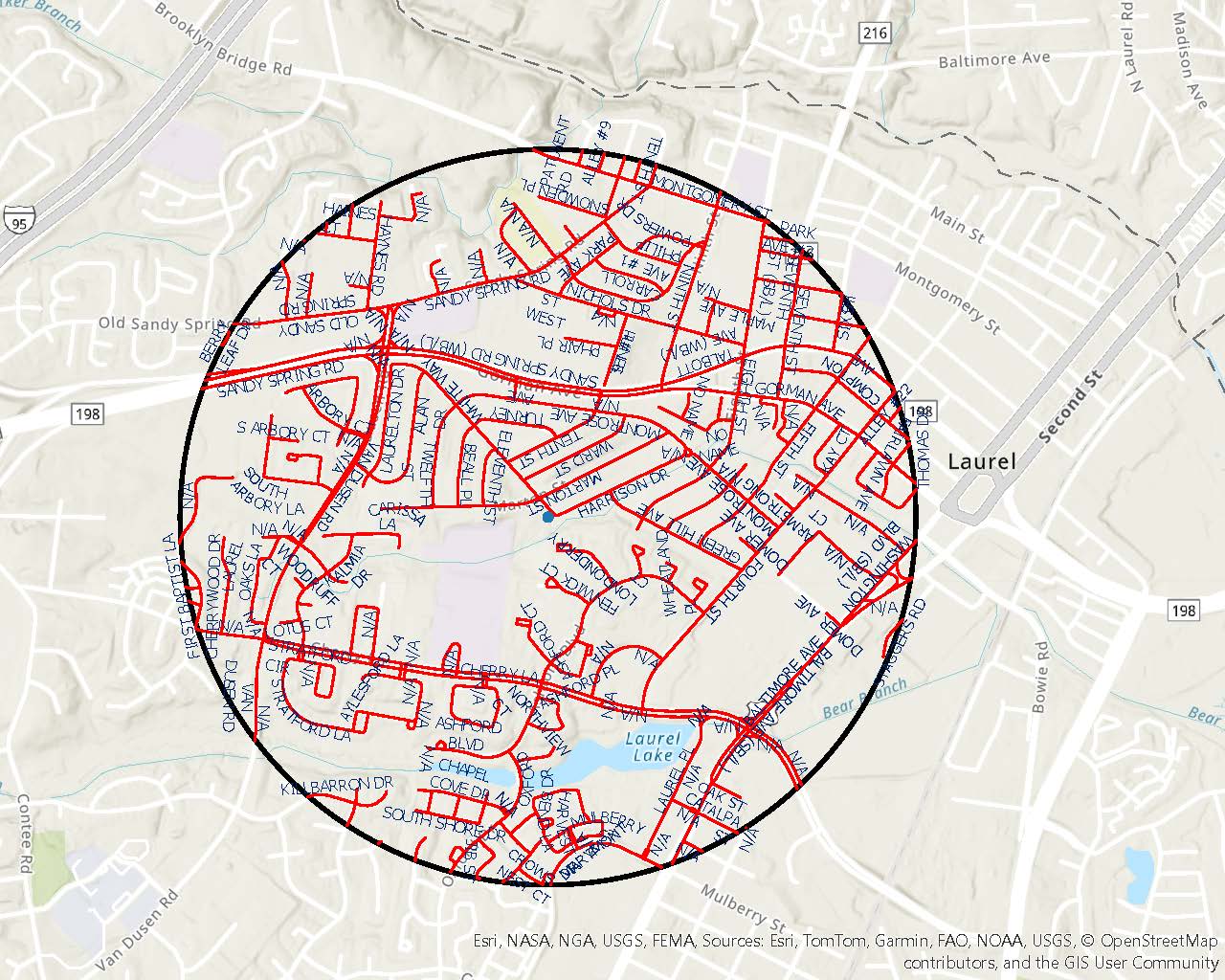
You must be logged in to post a comment.